
(NAIROBI, KENYA) – Ten high profile disputes involving firms and the Competition Authority of Kenya have been thrown into limbo after the Competition Tribunal lost the quorum required to hear and determine appeals against decisions by the regulator.
The tribunal’s secretary and chief executive officer, Julius Mutua, has urged Treasury Cabinet Secretary John Mbadi to urgently fill the vacant position of the chairperson, saying the institution has been unable to conduct business since 17th September 2025.
The cases pit the Competition Authority against Carrefour owner Majid Al Futtaim, clean energy start up Koko Networks, small lender Guaranty Trust Bank, steelmaker Corrugated Sheets Limited and others.
In a letter dated 19th February 2026, Mr Mutua said the terms of the tribunal’s chairperson and one member expired on 16th September and 13th July 2025 respectively. The tribunal currently has three members but no substantive chairperson.
“The situation has continued to cause serious delays in the resolution of disputes thereby exposing businesses and other stakeholders to prolonged uncertainty and potential economic loss,” Mr Mutua said.
“The prolonged non appointment has not only undermined the effective functioning of the Tribunal, but has also placed its institutional credibility into question, and by extension the National Treasury and Economic Planning as the appointing authority mandated to ensure that the Tribunal remains properly constituted and operational,” he added.
Among the cases now stuck is an appeal by Koko Networks (Kenya) Limited over an exclusive arrangement between the clean energy company and Vivo Energy for the supply and distribution of Koko’s bioethanol cooking fuel. Koko Networks is currently under administration. Others include cases involving Rural and Urban Private Hospitals Association of Kenya, Vivo Energy Kenya and Joseph Sumba.
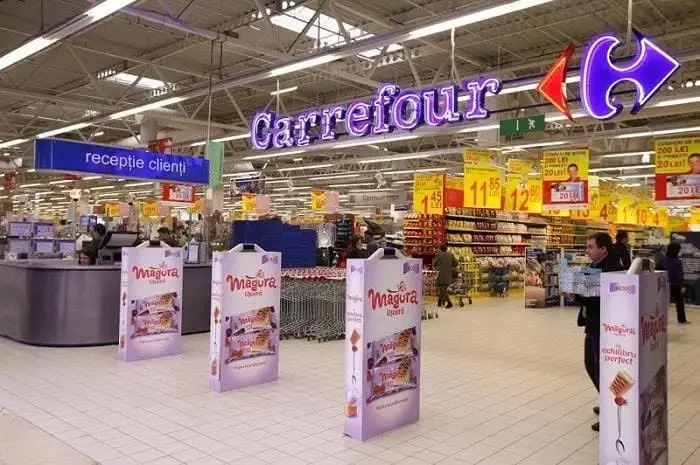
The tribunal is also unable to progress two cases involving Majid Al Futtaim Hypermarkets, the owner of Carrefour in Kenya. The cases pit the retailer against the Competition Authority and Pwani Oil Products Limited, and the Competition Authority and Woodlands Company Limited, after the competition watchdog found that Carrefour had abused its superior bargaining position over the two suppliers by imposing rebates and other charges that reduced their profitability.
The Competition Authority fined Carrefour owner Majid Al Futtaim Hypermarkets Limited a combined KES 1.108 billion (about $8.4 million / £6.6 million / €7.7 million) and ordered it to refund about KES 16.7 million (about $127,000 / £100,000 / €117,000) in rebates and other charges to the suppliers. The Dubai based hypermarket operator wants the decisions overturned and has filed separate appeals before the Competition Tribunal. Both cases are ongoing.
The other pending matter listed by the tribunal includes an appeal by Guaranty Trust Bank (Kenya) Limited, in which the lender is accused by the competition watchdog of engaging in false and misleading representations and unconscionable conduct in its handling and renewal of credit facilities for ASL Limited. The Competition Authority fined GT Bank KES 33.18 million (about $253,000 / £199,000 / €232,000) and ordered it to refund ASL KES 13.21 million (about $101,000 / £79,000 / €92,000) in fees and charges it found to have been improperly levied.
There are also cases involving Corrugated Sheets Limited and Brollo Kenya Limited, which were among steel manufacturers that the Competition Authority found to have engaged in price fixing and, in some cases, restricting output in violation of the Competition Act.
Mr Mutua warned that the prolonged vacancy was causing serious delays in resolving disputes, exposing businesses and other stakeholders to prolonged uncertainty and potential economic losses. He said the failure to appoint the chairperson had also undermined the tribunal’s effective functioning and raised questions about its institutional credibility.
The last chairperson of the tribunal was Daniel Ochieng Ogola. He was appointed on 25th September 2020. The Competition Tribunal is established under the Competition Act, 2010 to hear appeals and review applications arising from Competition Authority decisions. A party aggrieved by a Competition Authority determination can appeal to the tribunal within 30 days. The tribunal can uphold, vary or set aside the regulator’s decision.
The paralysis comes after the tribunal had begun handling increasingly significant competition disputes. In July 2025, it delivered decisions in a cluster of appeals arising from the Competition Authority’s investigation into Kenya’s steel industry. The cases involved major manufacturers including Devki Steel Mills, Tononoka Rolling Mills, Accurate Steel Mills, Blue Nile Wire Products and Nail and Steel Products.
The Competition Authority had investigated allegations of coordinated conduct, including price fixing and output restrictions, after searches of several steel companies. The tribunal dismissed the appeals and upheld the regulator’s decisions, demonstrating the importance of the appellate body in testing the regulator’s enforcement actions.
The tribunal has also previously handled a significant dispute involving Majid Al Futtaim. In 2021, it upheld the Competition Authority’s findings in a buyer power case involving the retailer and Orchards Limited. The High Court later allowed Majid’s appeal in May 2024, raising questions about the regulator’s use of draft buyer power guidelines and the scope of its powers when dealing with supplier agreements.
The current paralysis could become even more impactful with the pending KES 388.2 billion (about $2.96 billion / £2.33 billion / €2.72 billion) sale of East African Breweries Limited by Diageo to Japan’s Asahi Group Holdings. The transaction has been under regulatory review for more than a year and is awaiting approval by the Competition Authority in Kenya after securing approvals in other East African markets where EABL operates.
The Competition Authority has proposed that EABL establish a KES 15.5 billion (about $118 million / £93 million / €108 million) reserve, equivalent to 4% of the transaction value, to cater for claims, disputes, liabilities and regulatory challenges that could arise. It has also proposed reserving at least 20% of refrigeration space supplied to retailers for products that are not branded by EABL or Asahi.
Diageo and Asahi have rejected the conditions, arguing that they are unprecedented and outside the Competition Authority’s mandate. They have also raised concerns that the regulator risks interfering with matters already before the courts. If the Competition Authority decides that the parties challenge, the dispute could ultimately find its way to the Competition Tribunal.