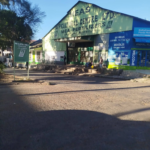





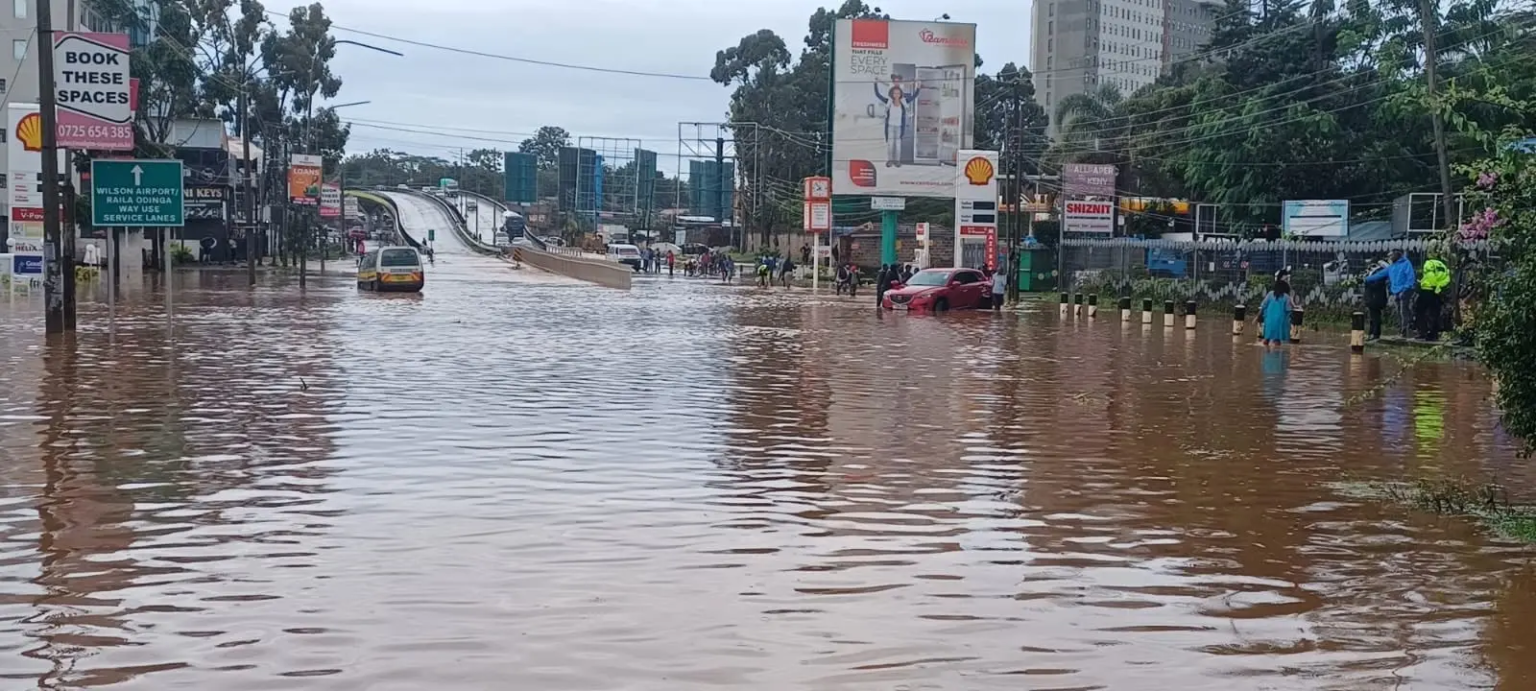
(NAIROBI, KENYA) – A KES 130 million ($1 million / GBP 790,000) insurance payout to Sun World Safaris after devastating floods at Mara Bush Camp has brought into focus the growing role of insurance in helping Kenyan businesses absorb the financial shock of extreme weather.
First Assurance has paid more than $1 million to Sun World Safaris to finance the rebuilding of the hospitality property after the Olare Orok River burst its banks during heavy rains in the first quarter of 2026.
The damage, covered under the company’s fire policy for specified environmental and natural disaster risks, forced the camp to suspend operations, disrupting a business whose fortunes are closely tied to the Mara ecosystem.
The settlement now gives Sun World Safaris the financial capacity to begin reconstruction and restore operations.
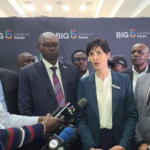
“This demonstrates how commercial insurance can provide a critical buffer when climate related events suddenly destroy productive assets,” Jane Muthee, Claims manager at First Assurance, said.
The payout comes against a backdrop of mounting weather related losses for Kenya’s insurance industry.
In 2024, the Insurance Regulatory Authority (IRA) recorded more than 850 flood related claims worth KES 3.145 billion ($24.3 million / GBP 19.1 million) by the end of April alone.
About 86% of the claims were reported in Nairobi, with industrial fire policies accounting for the largest share.
The scale of losses has continued to influence underwriting.
Old Mutual General Insurance, for instance, reported paying more than KES 200 million ($1.5 million / GBP 1.2 million) in flood related claims in 2025, with its managing director Japheth Ogalloh warning that climate change risks were becoming “more frequent and severe.”
The IRA’s latest industry data also shows the broader insurance market expanding.
Gross written premiums reached KES 352.3 billion ($2.7 billion / GBP 2.1 billion) by September 2025, up 11.2% from a year earlier, while general insurance premiums increased 9.2% to KES 185.4 billion ($1.4 billion / GBP 1.1 billion).
General insurers incurred KES 83.01 billion ($641 million / GBP 505 million) in claims during the nine month period.
The growing frequency and size of flood, drought and other weather related payouts point to a structural shift in the risk landscape.
Agricultural insurance offers another illustration.
Britam paid KES 97.3 million ($751,000 / GBP 592,000) in climate related claims in 2025 to farmers and pastoralists across East Africa.
Its crop insurance coverage jumped 83%, from 161,521 farmers in 2024 to 294,799 in 2025.
Globally, the trend is even clearer. Swiss Re estimates insured natural catastrophe losses reached $107 billion in 2025, with secondary perils such as floods and severe storms accounting for a record 92%.
It expects the long term growth in insured catastrophe losses to remain around 5% to 7% annually.
The global insurance giant estimates that more than 40% of global natural catastrophe losses are now insured, compared with about 23% three decades ago.
Yet the global protection gap remains enormous, estimated at $424 billion in 2025.
First Assurance’s handling of the Mara claim also illustrates this evolution.
Professional loss adjusters assessed not only the physical damage but the financial impact, while providing risk mitigation recommendations aimed at reducing the camp’s exposure to future river flooding.
Sun World Safaris has been insured with First Assurance since 2016.
Company representatives noted that this long term partnership allows for a structured, thorough assessment process.