







(LONDON, UK) – Europe may fail to reach its target of filling gas storage facilities to at least 80 percent before the winter heating season, as competition with Asian buyers for liquefied natural gas cargoes intensifies and Russian pipeline supplies remain cut off, the head of Norwegian energy company Equinor has warned.
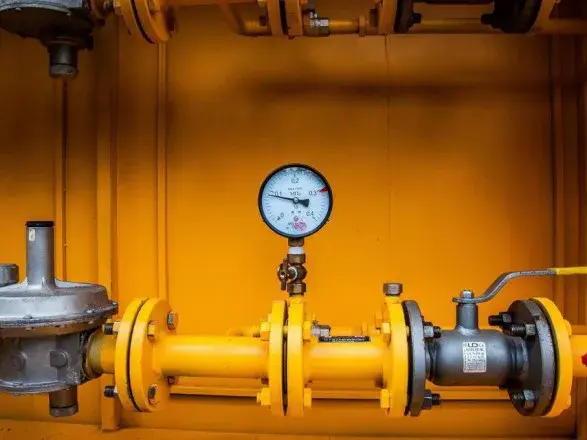
Anders Opedal, chief executive of Equinor, told Reuters that Europe is not certain to fill its storage sites beyond 80 percent this autumn. Storage levels currently stand at 54 percent, leaving the continent more exposed to price swings this winter than in previous years.
The conflict between the United States and Iran has effectively halted shipping through the Strait of Hormuz. This has blocked the passage of roughly one fifth of the world’s LNG, which normally flows to Asian consumers. The disruption has forced Asian buyers to seek alternative supplies, drawing cargoes away from the European market.
Europe can no longer count on Russian pipeline gas, Opedal said, as those flows are being phased out due to the war in Ukraine. The continent now relies on LNG for about 30 percent of its import requirements, but volumes are currently falling short.
Opedal explained that gas that was supposed to arrive from Qatar and was destined for Asia is now being redirected. LNG that earlier this year flowed to Europe is now heading to Asia instead, he said, describing the tightening competition for global gas supplies.
The strain on maritime energy supply chains was sharpened further by separate incidents reported this week. India’s embassy in Tehran confirmed an attack on the LPG tanker DISHA in Iranian territorial waters. All 28 Indian crew members on board were reported safe, with the embassy maintaining contact with Iranian authorities.
India’s Ministry of External Affairs also said the commercial vessel MV OMORFI came under attack while transiting the Black Sea, reportedly in Russian territorial waters. One Indian national was killed. Two other Indian citizens were unharmed. The ministry condemned strikes on commercial shipping, and the Indian embassy in Moscow contacted relevant authorities.
India’s Directorate General of Shipping has recommended that all vessels, both Indian flagged and foreign flagged, exercise maximum caution when passing through waters near Yemen, the Bab el Mandeb strait and the southern Red Sea.
The United States has conducted eleven consecutive nights of strikes on Iran, as President Donald Trump has threatened to hit an underground nuclear facility. The expanding military action is compounding the risks for commercial shipping and energy infrastructure across the Middle East.
European gas storage mandates require member states to hold minimum reserves ahead of winter to cushion against supply disruptions. Failure to meet the 80 percent target would leave European gas prices vulnerable to sharp rises during cold weather, with knock on effects for industrial energy costs and household bills.
At current European benchmark prices of around €45 per megawatt hour (approximately $49 or £38.50), filling storage from 54 percent to 80 percent across the EU would require purchases costing several billion euros. Tighter supply conditions and Asian competition could push spot LNG prices significantly higher.