





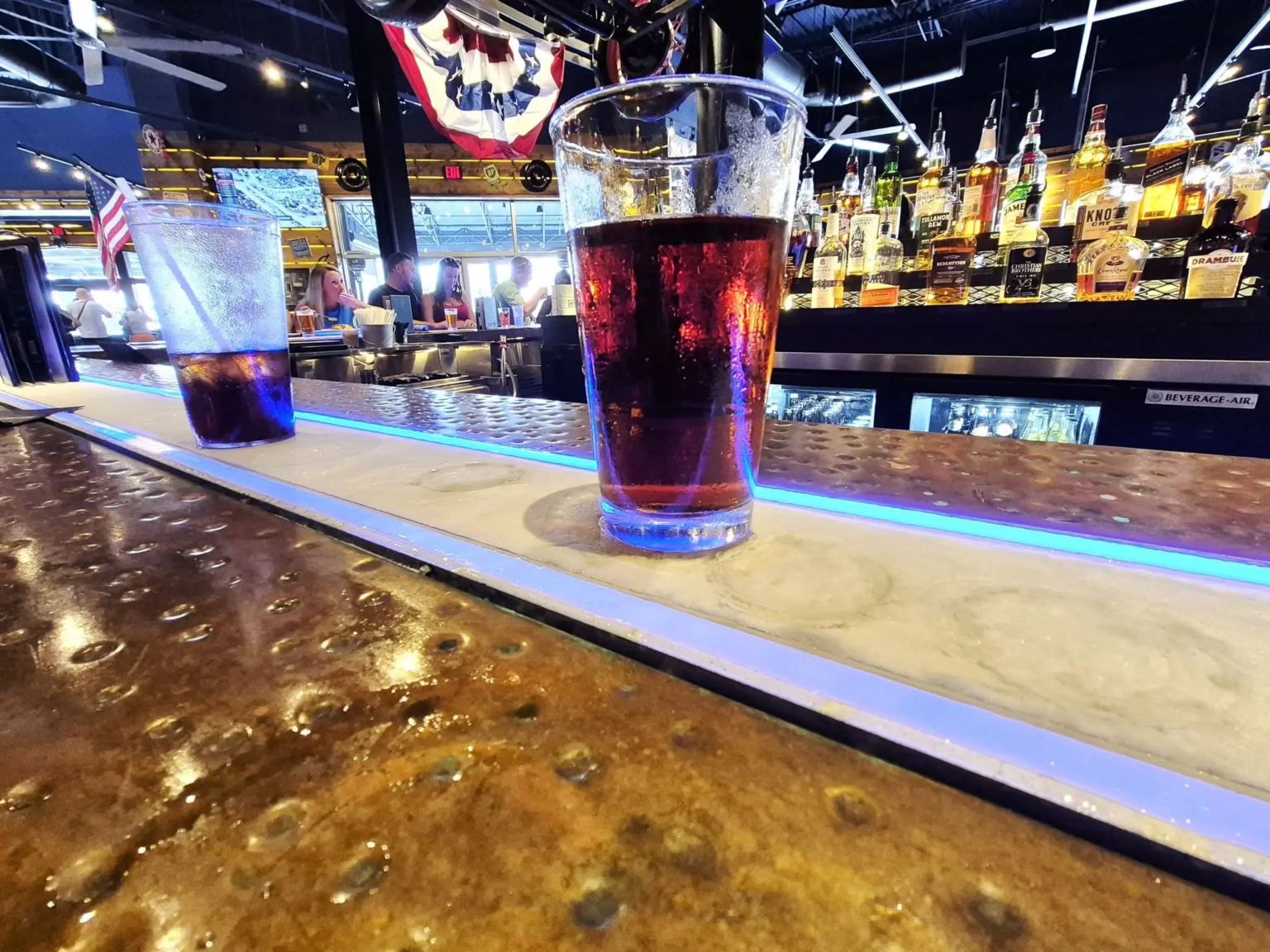
(NAIROBI, KENYA) – Kenya’s competition watchdog has ordered East African Breweries Plc to reserve at least 20% of refrigerator space in retail outlets for rival brands, in a move expected to widen consumer choice and lower barriers for smaller beverage makers.
The Competition Authority of Kenya attached the condition to its approval of the sale of a 65% stake in EABL by British multinational Diageo to Japanese beverage maker Asahi Group for KES 304.6 billion ($2.36 billion / GBP 1.86 billion).
The directive means retailers must set aside one-fifth of branded cooler space for products that are not EABL or Asahi branded. The requirement applies to all retail outlets except top-end drinking establishments, supermarkets, liquor stores in petroleum stations and hotels rated above two stars.
For consumers, the order is expected to guarantee continued access to a wider range of beverages in retail outlets. Branded refrigerators give manufacturers highly visible branding within retail outlets and have long been used to limit the placement of rival products. Manufacturers also incur significant costs in providing the units to retailers, including initial acquisition, monitoring and maintenance.
The Competition Authority said its review had identified competition and public interest concerns that could be addressed through behavioural remedies rather than by blocking the transaction. It found that the merged entity after the transaction would continue to benefit from EABL’s extensive network, branding arrangements, exclusive sales territories, product placement arrangements and company-owned refrigeration equipment. These features had the potential to keep competing manufacturers out of key retail outlets and reduce rivalry in already concentrated markets.
The directive on refrigeration space is therefore seen as key to maintaining competition in the sector and ensuring fair access to products for consumers. The authority said its review followed a rigorous assessment of the potential impact of the proposed transaction on effective competition in the markets for production, distribution and retail of beer and cider, as well as the production and supply of malt and brewing grains.
The development comes amid a widening liberal market environment that is providing a boost for businesses in Kenya, helping them to lower capital and operational cost pressures. In a similar move, mobile money firms began fully sharing payment tills, opening up a segment that had been dominated by single platforms.
The telecommunications sector took a significant step towards greater interoperability when Safaricom opened its M-Pesa cash tills and paybills to rivals from 2022. However, a gap remained because the telco’s customers could not use tills run by Airtel Money, the second-largest mobile money platform in Kenya. Airtel Money finally opened up its cash till and paybill platform to rival firms last year, completing efforts to fully open up the mobile payments segment in the local market.
Interoperability allows participants in different systems to clear and settle payments or financial transactions across platforms. The push for seamless transfers of cash across all rival payment platforms was mainly driven by the Central Bank of Kenya in the section of its national payments blueprint touching on telco operators.
The first phase of the strategy involved opening up direct person-to-person cash transfers across mobile money wallets run by rival platforms, which was implemented in 2018. The third phase will involve the interoperability of agency networks, which will allow customers to deposit and withdraw cash from any agent outlet regardless of the sponsoring telco.
More recently, Safaricom has allowed customers using Wi-Fi and rival mobile networks’ data to access its all-in-one mobile application, which was launched in April 2026, after initial restrictions that locked out diaspora users and those outside its network. The initial rollout of the new all-in-one app was only accessible on Safaricom mobile data, logging out users whenever they lost Safaricom connectivity. The telco later updated the app, opening access to other data providers. The app combines M-Pesa services with customer management tools such as home internet accounts, which were previously hosted on a separate platform known as MySafaricom App.
The Competition Authority’s directive on cooler space is expected to set a precedent for other sectors where exclusive arrangements limit market access. It also reflects a broader shift in Kenya’s regulatory approach, where authorities are increasingly using behavioural remedies to open up markets rather than blocking mergers outright.
For EABL and Asahi, the condition means the merged entity will have to adjust its retail arrangements while retaining its extensive distribution network. For smaller brewers, the ruling offers a rare opening in a market where shelf and cooler space have long been controlled by dominant players.