




(NAIROBI, KENYA) – Kenya’s Treasury is earning more from public funds invested in government securities, as state entities hold a growing share of domestic debt.
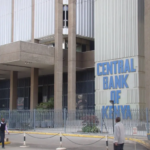
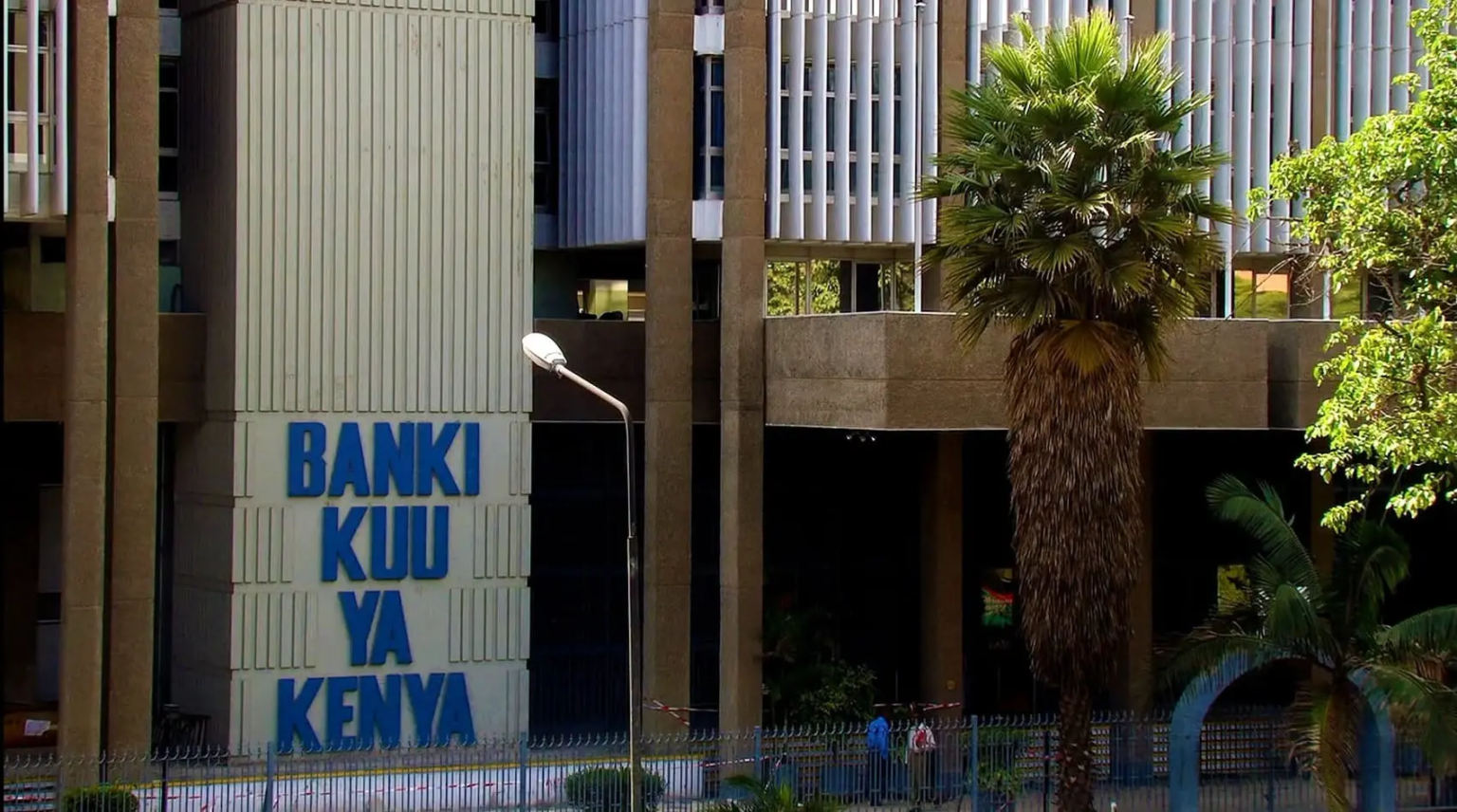
Government entities, semi-autonomous agencies and public sector funds held KES 513.31 billion ($3.97 billion / GBP 3.13 billion) in Treasury bonds and bills as of 28th August 2026, up from KES 467.78 billion ($3.62 billion / GBP 2.85 billion) in June 2025, according to Central Bank of Kenya data.
The Treasury is targeting KES 987.4 billion ($7.64 billion / GBP 6.02 billion) from the domestic market in the fiscal year to June 2027.
The increase follows a strategy to put surplus balances held by public entities to work instead of leaving them idle in accounts at the Central Bank of Kenya.
A policy by President William Ruto has since last year targeted surplus money held by state entities in commercial banks, widening the pool of funds available to finance domestic borrowing.
In submissions to Parliament in May 2025, the Treasury said it had introduced measures to invest idle balances of selected entities held at the Central Bank of Kenya.
“To reduce the cost of borrowing, the National Treasury has instituted measures that idle balances of selected entities domiciled at CBK not immediately required are invested in government securities under non-competitive terms,” the Treasury said.
“For public entities with bank accounts in commercial banks, a circular will be issued mandating direct investment of surplus balances in government securities, bypassing intermediaries and under non-competitive terms.”
The move marked a change in public cash management, with money awaiting expenditure being placed in interest-generating government debt rather than left idle.
One of the biggest pools of public money being positioned for such investment is the National Infrastructure Fund (NIF), whose KES 310.3 billion ($2.40 billion / GBP 1.89 billion) seed capital is expected to generate billions of shillings before the cash is spent.
The NIF expects to earn about KES 42 billion ($325 million / GBP 256 million) annually from government securities, based on a projected return of 12.5%.
“The yield we are expecting to get there is about 12.5% in annual return, and so we should be making just about KES 42 billion worth of income per year, so we are working with KES 40 billion as a benchmark,” said James Mworia, chief executive officer of the NIF.
The approach allows the fund to earn income while preserving its principal for future infrastructure investment.
The NIF plans to finance highways, railways, airports, seaports, electricity, ICT, water reservoirs and agribusiness infrastructure, while using its capital to attract private investment.
The Fund, chaired by Treasury Cabinet Secretary John Mbadi, aims to mobilise as much as KES 5 trillion ($38.70 billion / GBP 30.50 billion) by leveraging its resources to bring in private capital, making preservation of its seed money critical.
The strategy has been used by the Affordable Housing Fund, whose board has shown how surplus public money can temporarily become an investor in Treasury debt while projects await implementation.
The Affordable Housing Fund’s board had, by early 2025, placed KES 45.48 billion ($352 million / GBP 277 million) in Treasury bills, and disclosed in June 2025 that the investment had earned it KES 4.2 billion ($32.5 million / GBP 25.6 million), without disclosing the exact amount that generated that income.
However, Housing Principal Secretary Charles Hinga said the fund had no money remaining in Treasury bills by August 2026, after faster procurement and budget absorption accelerated project implementation.
“There’s currently zero money in T-bills from the Fund,” Mr Hinga said, attributing the change to stronger budget absorption and earlier procurement planning.
The housing levy experience shows that public-sector investment funds can disappear once agencies begin spending on their intended programmes, cutting off the temporary pool of funds for domestic borrowing.
The Sugar Development Fund (SDF) is another notable example of the strategy taking shape across public institutions, with the Kenya Sugar Board having planned to invest surplus collections in government securities.
The sugar board said funds not immediately required would be placed in Treasury bills, bonds or call deposits, depending on projected cash needs.
“The investments could either be on a short-term or long-term basis, depending on the cash flow projections,” the board said in a July 2025 report.
The SDF is financed through the Sugar Development Levy collected by the Kenya Revenue Authority from locally produced sugar at the rate of 4% of the ex-factory price of the sweetener and imported sugar, providing a recurring source of funds awaiting deployment.
The growing use of state funds offers a potentially cheaper and more predictable domestic funding source, but its size will depend on the timing of public-sector spending and investment needs.
Dr Ruto has been pushing for state corporations to surrender more of their income to the Exchequer amid pressure on tax collections and government cash flows.
In March 2024, Dr Ruto directed commercial state corporations to remit up to 80% of their net profits to the Treasury, with the requirement later incorporated into performance indicators for chief executives.
“The money that some parastatals make does not belong to their boards or management. It belongs to the people of Kenya as returns on investment,” Dr Ruto told state corporation chiefs.
The Treasury’s latest approach goes further by seeking returns from money that public institutions have not yet spent, creating a temporary financing channel without requiring immediate disposal of their underlying assets.