




(NAIROBI, KENYA) – Kenya has crossed a historic threshold in the push for Universal Health Coverage (UHC), with 32.3 million people registered under the Social Health Authority (SHA), President William Ruto has said.
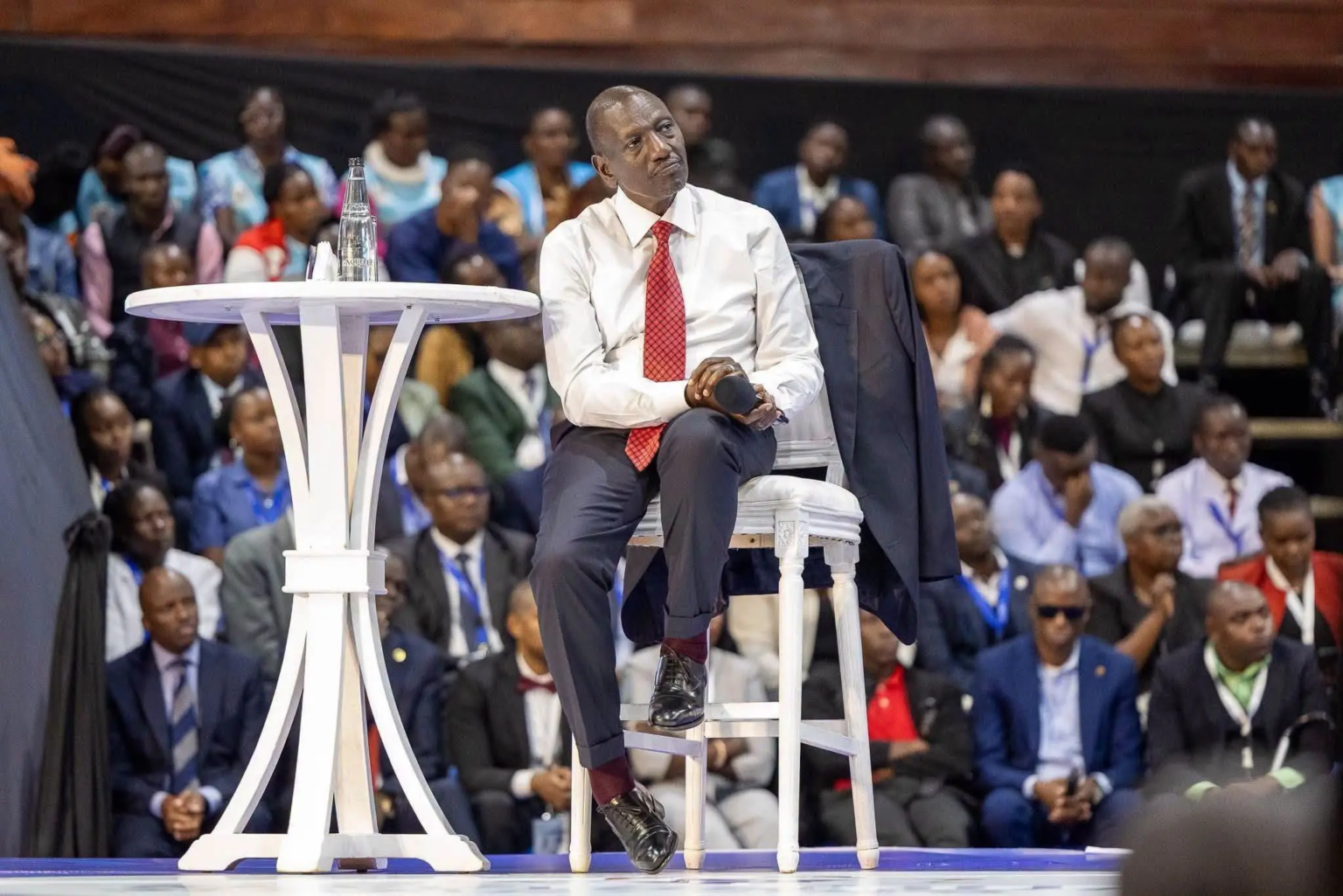
Speaking on Tuesday during the opening of the Kenya Health Summit 2026 at the Kenyatta International Convention Centre in Nairobi, Ruto said the focus must now shift from establishing UHC to ensuring it delivers quality and affordable healthcare to every patient.
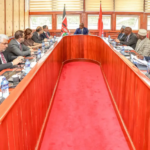
The two day summit, running from 18th to 19th August, is being held under the theme ‘Reform Delivered. Health as a Right.’ National and county governments, health workers, development partners, private sector players and other stakeholders are assessing the progress of health reforms.
Ruto said UHC was one of the five pillars of his administration’s Bottom-Up Economic Transformation Agenda, noting that economic empowerment could not be meaningful if illness continued to wipe out household savings and push families into poverty.
The reforms are anchored in four laws signed in October 2023: the Primary Health Care Act, Social Health Insurance Act, Digital Health Act and Facility Improvement Financing Act. These replaced the former NHIF framework and established the legal architecture for Taifa Care.
Ruto announced that 107,800 community health promoters had been deployed nationwide, reaching more than nine million households and referring over 750,000 people for treatment.
Through the Primary Health Care Fund, the government has allocated KES27.4 billion ($210.8 million / £166.1 million) and disbursed KES23.3 billion ($179.2 million / £141.2 million) to support more than 20 million outpatient visits, benefiting over 15 million Kenyans.
Ruto added that eight million Kenyans had received treatment through SHA, while more than 1.5 million mothers had been supported to deliver safely and over 500,000 surgical procedures funded. The government has also sponsored nearly 560,000 vulnerable households, covering about 2.2 million Kenyans.
On emergency healthcare, Ruto highlighted the recently launched SHA-922 Lifeline and National Ambulance Dispatch Center, saying it would enable patients to access emergency assistance without having to raise money or make deposits before treatment. He said Article 43 of the Constitution states that no person shall be denied emergency medical treatment.
Health Cabinet Secretary Aden Duale said the reforms had also improved the availability of medicines, medical equipment and health workers. He reported that the national order fill rate at the Kenya Medical Supplies Authority (KEMSA) had increased from 35% when the administration took office to 95%.
Duale said KEMSA had been recapitalised through a KES10 billion ($76.9 million / £60.6 million) credit facility and currently supplies more than 11,400 health facilities, with 54% of its supplies going to Level 2 and Level 3 primary healthcare facilities.
On medical equipment, Duale said equipment worth KES9.68 billion ($74.5 million / £58.7 million) had been installed in 251 health facilities across 44 counties as at 30th July 2026. The equipment includes 36 CT scanners, two MRI machines, 52 digital X-ray machines and 72 ultrasound machines.
Duale added that the government had deployed 24,573 healthcare interns across all 47 counties over the past four years at a cost of KES19 billion ($146.2 million / £115.2 million), while 5,000 additional nurses were being recruited.
Council of Governors Chair Ahmed Abdullahi said counties had received KES46 billion ($353.8 million / £278.8 million) through SHA, of which KES31.4 billion ($241.5 million / £190.3 million) had been paid to hospitals and KES14.2 billion ($109.2 million / £86.1 million) reimbursed to primary healthcare facilities.
Abdullahi said primary care networks had increased from 89 to 277, while counties continued to work with the national government to strengthen primary healthcare services.
Nairobi Governor Johnson Sakaja highlighted progress in expanding access to primary healthcare in the capital, where 7,820 community health promoters serve about 780,000 households.
United Nations Resident Coordinator in Kenya Gary Connell, speaking on behalf of the UN family, said the success of the reforms would ultimately be measured by the experience of patients rather than the laws and policies adopted. He said a right written is a promise, while a right delivered is a country keeping its word.
National Assembly Speaker Moses Wetang’ula said Parliament had provided the legislative foundation for the reforms, noting that the four major health laws were passed in 2023. He called for stronger action against fraud, unlawful charges, unequal distribution of health professionals and wastage of resources, while urging greater emphasis on preventive and promotive healthcare.
Ruto acknowledged that challenges remained, including making SHA registration easier, clarifying benefits, speeding up claims, improving digital systems and ensuring consistent quality of care across the country. He said the ultimate measure of reform is not the laws passed or the numbers registered, but the experience of every patient in terms of dependable, affordable and dignified care.