






(NAIROBI, KENYA) – The number of Primary Care Networks across Kenya’s 47 counties rose 22 percent to 277 in the 2025/26 financial year, as devolved governments accelerate a model designed to move routine health services closer to households and ease the burden on referral hospitals.
The networks, up from 227 a year earlier, link health facilities with community level services within a set geographic area. They aim to improve coordination of care, speed up referrals and make primary care the first point of contact for common medical needs.
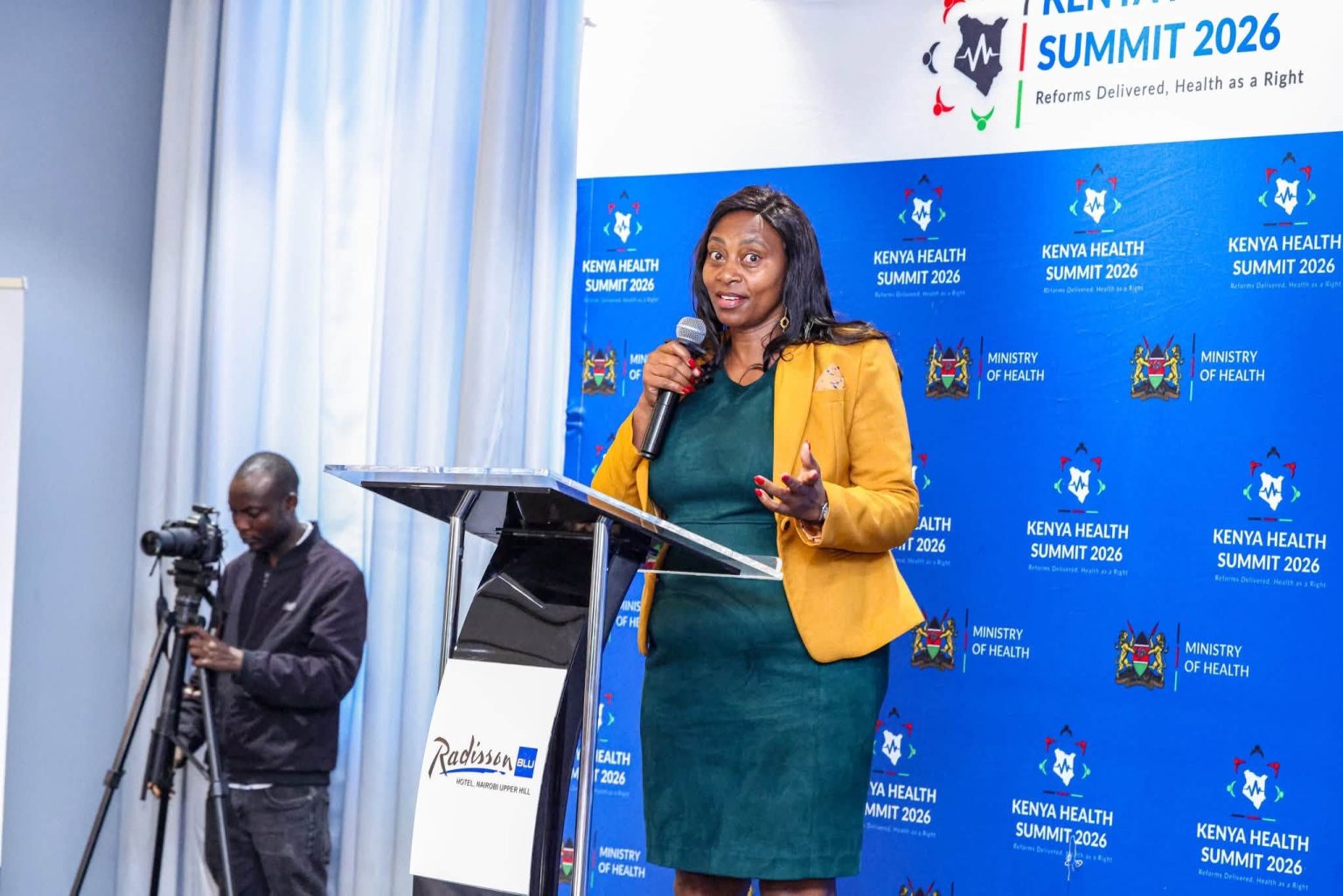
Social Health Authority (SHA) Chief Executive Officer Dr Mercy Mwangangi said the networks manage roughly 70 percent of the country’s routine health demands. Speaking at a media briefing ahead of the Kenya Health Summit, she said investment at this level delivers a ninefold return.
“For every shilling invested in primary healthcare, you can recoup nine shillings. That is the return on investment of primary healthcare,” Dr Mwangangi said, adding that common illnesses such as flu, colds and diarrhoea are treated at this tier.
SHA data shows that over the past 18 months, the government has invested KES 27 billion ($208.5 million, £162.9 million) in primary healthcare, compared with KES 1.8 billion ($13.9 million, £10.9 million) under the previous administration.
The expansion forms part of a broader effort by counties to strengthen primary care access. The Council of Governors’ Maarifa Centre has documented 23 county level innovations and best practices on the networks from 15 counties. These cover areas including integrated service delivery, community health systems, referral coordination, digital health and health workforce strengthening.
The rollout coincides with a government push to remove financial obstacles at the lower tiers of the health system. Health Cabinet Secretary Aden Duale told the same forum that primary healthcare at Level Two, Level Three and part of Level Four facilities is meant to be free for all Kenyans, though he acknowledged some facilities continue to charge patients.
“A Kenyan should be able to walk into a facility, receive treatment and walk out without being charged,” Mr Duale said, noting that the policy applies regardless of whether a facility is faith based, county run, private or church based.
He said the government has set aside KES 19 billion ($146.7 million, £114.6 million) in the current financial year to fund treatment at dispensaries, health centres and selected Level Four services. “Therefore, charging a Kenyan for these services is a criminal offence, regardless of the type of facility,” he said.