







(NAIROBI, KENYA) – Kenyan sugarcane farmers earned an estimated KES 33.5 billion ($258 million / GBP 198 million) in the seven months to July as cane deliveries surged, boosting domestic sugar output and easing consumer prices.
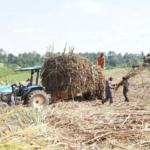
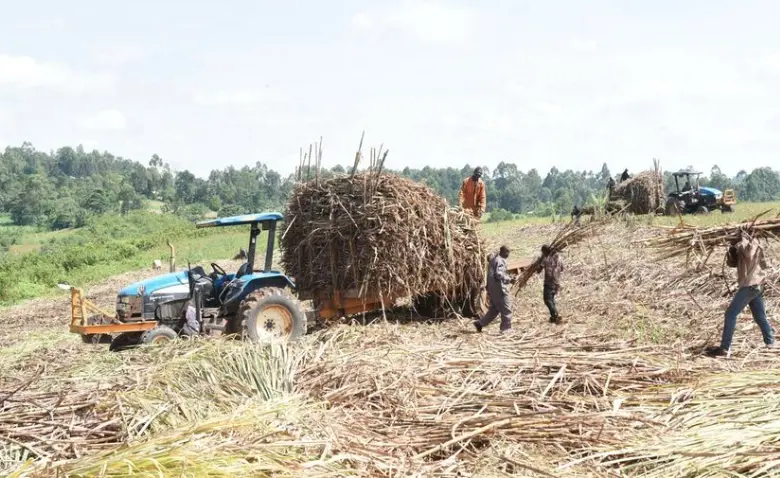
Farmers delivered 5.94 million tonnes of cane during the period, up from 4.12 million tonnes a year earlier, with the increased supply lifting domestic sugar production to 528,874 tonnes.
The higher deliveries translated into a 52.3% increase in estimated farmer earnings, as the average cane price also rose to KES 5,643 ($43.5 / GBP 33.4) per tonne from KES 5,343 over the comparable period.
The jump in cane supplies has given sugar factories more raw material after last year’s shortages constrained milling and contributed to a sharp decline in domestic sugar production.
Sugar output rose 44.5% to 528,874 tonnes by July from 366,007 tonnes in the same period last year, according to Kenya National Bureau of Statistics data sourced from the Kenya Sugar Board.
The recovery has started feeding through to consumers, with the average retail price of sugar falling 3.1% to KES 167.02 ($1.29 / GBP 0.99) per kilogramme from KES 172.36 over the comparable seven month period.
The improvement follows a prolonged period of weak cane availability that forced factories to reduce operations, leaving Kenya more dependent on imported sugar to bridge domestic supply gaps.
The country had last year faced severe shortages of mature cane in western Kenya, prompting the Sugar Board to direct seven factories to suspend milling from July to allow the crop to mature.
The shortage also sent Kenya’s sugar import bill from Uganda and Tanzania soaring 708% to KES 6.17 billion ($47.5 million / GBP 36.5 million) in the three months to September 2025, according to official trade data.
The turnaround in cane deliveries marks a significant reversal for factories that struggled to maintain production when farmers had insufficient mature cane to supply mills.
Kenya National Bureau of Statistics monthly data shows the recovery gathered pace from November last year, when cane deliveries reached 800,196 tonnes compared with 566,584 tonnes a month earlier.
By June, cane deliveries had reached 998,000 tonnes, 109.03% above the 477,439 tonnes recorded in June 2025, before rising to a record high of 1.01 million tonnes in July.
The increased cane flow has been accompanied by a sharp improvement in factory output, with July alone producing 91,022 tonnes of sugar compared with 42,255 tonnes in July 2025.
The recovery is partly linked to improved cane availability following sector reforms, including the reopening of previously dormant State owned factories under private management arrangements.
Four State owned factories, Nzoia, Chemelil, Muhoroni and Mumias, were targeted for private management as part of efforts to revive production, reduce losses and improve factory utilisation.
The larger farmer payout comes as the sugar industry enters a more competitive trading environment after Kenya ended 24 years of protection from cheaper Comesa sugar imports.
The country exited the regional safeguard regime in January, removing restrictions that had shielded local millers from cheaper sugar produced by other Comesa members.
The safeguards had allowed Kenya to import up to 350,000 tonnes of sugar from Comesa countries to cover domestic deficits while protecting local producers from cheaper regional supplies.
The removal of that protection means local factories must compete with imported sugar even as they work through higher cane procurement costs and investment requirements.
The pressure was visible in July when sugar millers in western Kenya were reported to be holding large stocks of unsold sugar amid competition from imported and allegedly smuggled supplies.
Nzoia Sugar, for example, was reported to have accumulated 269,750 bags of unsold sugar by 28th July, an indicator of the challenge of converting higher cane deliveries into stronger factory revenues.