





(THE HAGUE, Netherlands) – The European Union’s 21st sanctions package against Russia introduces new restrictions targeting Russian banks, vessels in the shadow fleet, and companies that assist in circumventing existing trade barriers. The measures aim to deepen Moscow’s economic isolation but avoid action on certain key export commodities.
The package adds a substantial number of Russian financial institutions to the sanctions list. European companies are now barred from conducting business with these banks. The measures also target ships that transport Russian oil sold above the EU price cap. Fresh export and import restrictions on specific goods and services form part of the package.
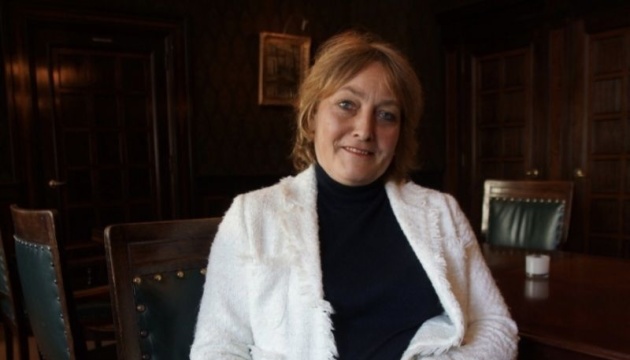
Heleen over de Linden, a Dutch lawyer and specialist in sanctions against Russia, stated in an interview with Ukrinform in The Hague that the 21st package represents a further step in tightening economic pressure on Russia and tackling sanctions evasion. She noted that the volume of banks and vessels newly listed is significant.
Over de Linden drew attention to a growing problem where certain companies actively lobby for the exclusion of specific products from sanctions lists. She pointed to Russian fish as a notable omission. The product was ultimately left out of the 21st package. For Russia, this is a very important export commodity, she said. The failure to include it was regrettable.
The expert said EU officials are discussing the idea of adopting narrower, more targeted sanctions packages in the future. Current rounds are large, covering a wide range of goods and sectors. Future measures could focus exclusively on banks, the shadow fleet, or companies in third countries that help Moscow bypass restrictions. Such an approach would make it easier to secure agreement from all member states. EU sanctions require unanimous approval from all 27 countries, not a majority vote. This has prompted the proposal to shift from large packages to more focused measures.
Over de Linden also addressed frequent media claims, particularly in the Netherlands, that sanctions have no effect because President Putin remains in power. She rejected this assessment. Sanctions have a significant impact, she said. A huge quantity of goods, services, companies and banks are under restriction. Dual use goods are extremely important.
Many Russian oligarchs held funds in the EU, and those funds are frozen. More than 200 billion euros (approximately 218 billion US Dollars / 172 billion British Pounds) in Russian central bank assets are also frozen in the EU. Russia is a very large country with enormous natural resources, making it very difficult to deliver a blow that would stop it from functioning. However, the current path is the right one and all possible measures are genuinely being taken, Over de Linden said.