









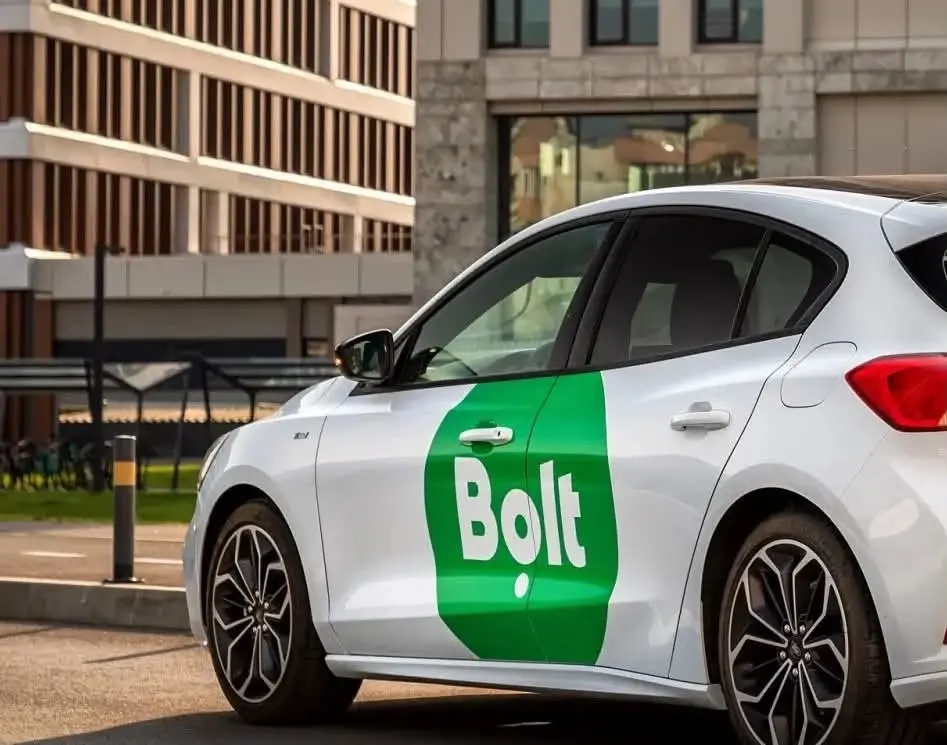
(NAIROBI, KENYA) – Ride hailing company Bolt has invested more than KES 19 billion in Kenya over the past decade, a period that has seen the platform serve over eight million riders and create income opportunities for more than 170,000 drivers and couriers. The investment amounts to approximately $147 million / £116 million / €133 million at current exchange rates.
The company is marking 10 years of operations in Kenya after entering the market in 2016. Bolt now operates in six regions and 19 towns across the country, including Nairobi, the Coast, Western Kenya, the Central and North Rift, and the Mt Kenya region.
Bolt entered Kenya as the country’s ride hailing market was emerging. Over the past decade, app based transport has become part of Kenya’s wider digital and gig economy. A 2026 Bolt Kenya and Ipsos Gig Economy Report released in March estimates that Kenya’s gig economy supports about 1.5 million workers and generates more than KES 130 billion annually, equivalent to about $1 billion / £790 million / €906 million.
The study found that 98% of ride hailing participants surveyed reported an improvement in their standard of living after joining the platform. Of these, 54% described the improvement as significant. The report puts average monthly earnings for drivers on the Bolt platform at KES 63,000 ($488 / £386 / €439). The top 20% earn up to KES 184,000 a month ($1,426 / £1,127 / €1,283). Boda boda riders earn an average of KES 56,000 a month ($434 / £343 / €390).
The report also found that 53% of drivers surveyed identified Bolt as their main source of income. Ride hailing accounts for about 20% of gig economy activity in Kenya, making it the second largest category after e-commerce.
Bolt Senior General Manager for Rides, East Africa, Dimmy Kanyankole, said the company had seen ride hailing evolve from a new technology into an important source of income and economic opportunity for thousands of Kenyans. He said the company would continue investing in Kenya and expanding opportunities created through technology.
The KES 19 billion investment has supported technology infrastructure, driver support programmes, safety initiatives and expansion. Bolt said its operations have also contributed to businesses linked to app based mobility, including vehicle financing, insurance, smartphone sales, data consumption, vehicle servicing and maintenance.
The company has increased its focus on electric mobility. Bolt said seven in every 10 electric vehicles operating in Kenya in 2026 do so on its platform, a result of investment in electric vehicle adoption and driver incentive programmes. It has also supported access to electric and lower emission vehicles through partnerships aimed at making electric vehicle ownership more accessible to drivers.
Bolt said it plans to continue investing in driver welfare, safety, product development and sustainability. It also plans to expand access to electric and lower emission vehicles and increase its presence in secondary cities.