









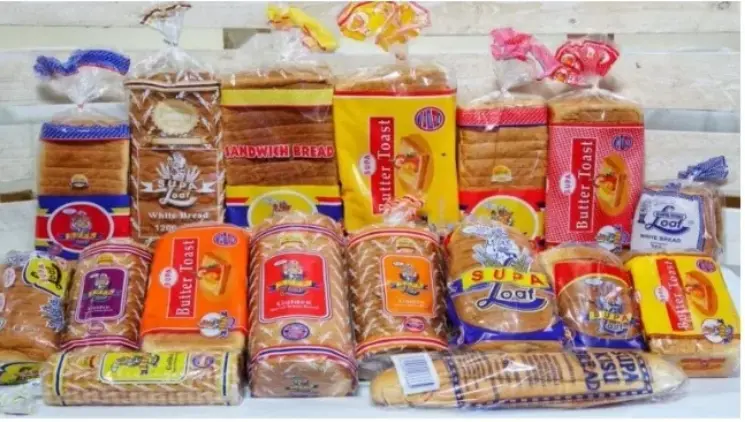
(NAIROBI, KENYA) – Local and regional manufacturers now account for 80% of Kenya’s top 30 most chosen fast moving consumer goods brands, according to the Brand Footprint 2026 ranking by Worldpanel by Numerator. Supa Loaf leads the ranking, followed by Mount Kenya and Royco.
The findings point to the strength of brands that understand local tastes, purchasing habits and distribution networks. They come against a backdrop of recovery in household consumption, with consumer spending on FMCG products rising 17.9% in 2025, reversing a 2.1% decline recorded the previous year. The number of households buying FMCG products increased by 2.9%.
The report shows that 69% of Kenya’s top 250 FMCG brands increased their Consumer Reach Points in 2025. Consumer Reach Points measure both the number of households buying a brand and how frequently they choose it, making the indicator a tool for actual consumer engagement rather than brand awareness alone.
Mount Kenya, ranked second overall, recorded household penetration of 61.4% and 173 million Consumer Reach Points. Its strength has been supported by extensive distribution through dukas, kiosks and neighbourhood outlets, bringing the product closer to consumers across the country.
Royco reached an 80.9% household penetration, showing how long established brands can retain relevance when they combine familiarity with continued product innovation. Supa Loaf’s continued leadership points to the commercial value of availability and familiarity. Bread is a frequent household purchase, meaning a brand’s ability to remain consistently available across different retail outlets can translate directly into repeated consumer choices.
The report also shows that Kenya’s FMCG market remains far from saturated. Small and medium sized brands with household penetration below 30% account for 73% of the country’s top 250 brands. Collectively, these brands generate 29% of total Consumer Reach Points, suggesting that many have established a foothold but remain some distance from mass market penetration.
Among the fastest growing brands, 78% increased household penetration, while 73% increased purchase frequency. More than half, 51%, achieved growth on both fronts. The figures challenge the assumption that FMCG growth is primarily about convincing existing customers to buy more. In Kenya’s increasingly competitive market, expanding the customer base remains one of the strongest routes to growth.
The report notes that the dominance of local and regional brands suggests Kenyan consumers are not necessarily choosing products simply because they are large or globally recognised. Familiarity, affordability, accessibility and relevance to everyday needs appear to be powerful competitive advantages.