







(NAIROBI, KENYA) – At least 10 electric vehicle manufacturers, mostly from India and China, are preparing to enter Kenya after a shared battery swap provider launched its network in the country. The move is expected to increase competition in the growing electric mobility market.
The firms include China’s Afrina Neopower, QJ-YY, Sprocomm, VMoto and Wylex, India’s BGauss, Motovolt and Odysse, Italy’s Piaggio, and Kenya’s Fika Mobility. Fika Mobility had been unable to launch its electric motorcycles because of the lack of a battery swap provider. The manufacturers focus on electric motorcycles and three wheelers, commonly known as tuk tuks.
The companies rely on open architecture battery infrastructure and specialise in electric two and three wheelers. By using a common battery swap network, they can enter the market without developing their own batteries and swapping infrastructure.
Their planned entry follows the rollout of services by Sun Mobility, an Indian company that provides batteries and swap networks to about 30 original equipment manufacturers, mostly in India and China.
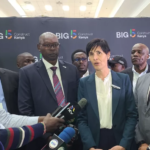
Ajay Goel, Sun Mobility co founder and chief executive for international business, said while the company has more OEM partners, 10 have so far confirmed plans to enter Kenya. He said the partners were not previously looking at the Kenya market, but now that Sun Mobility is present, they want to come because they have products that can compete. He said timelines depend on the OEMs, but more deployments will be seen from next month.
Sun Mobility entered Kenya late last year and has been building its swap infrastructure. The company launched the network last month after establishing 35 swap stations in Nairobi and Mombasa, some in partnership with Vivo Energy, which operates Shell and Engen fuel stations.
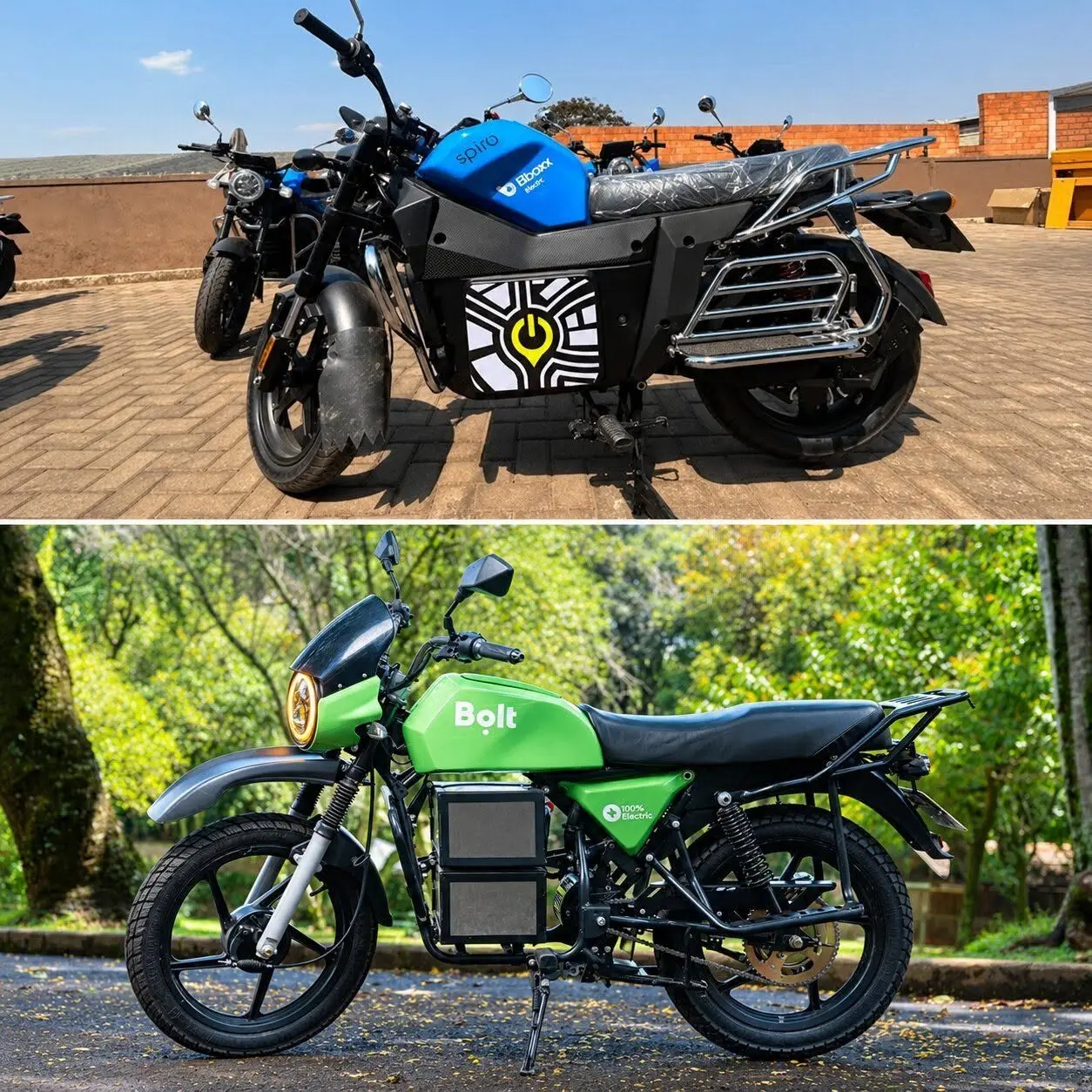
Unlike many electric vehicle firms in Kenya, Sun Mobility focuses on providing batteries and swapping networks for electric motorcycles and tuk tuks rather than manufacturing the vehicles themselves. This can lower the upfront cost of adoption because buyers do not have to purchase a battery together with the vehicle. Many electric two and three wheeler manufacturers operating in Kenya currently require customers to buy the battery as part of the vehicle, increasing the initial cost of ownership.
The entry of the 10 manufacturers could intensify competition in a market currently led by locally based firms. Those firms have benefited from a range of government tax incentives aimed at speeding up the shift to electric mobility.
Kenya is one of Africa’s leading electric vehicle markets, with about 39,324 EVs already on its roads, most of them two wheelers. This growing market was one of the reasons Sun Mobility chose Kenya as the launch pad for its African operations. Goel said Kenya is a very stable market with growing demand for electric mobility and a stable currency, making it a good first market to pilot.
The company faces competition from E-Safiri, another battery swap network provider that supports multiple manufacturers. Based in Kisumu, E-Safiri currently works with five OEMs.
Sun Mobility’s model could give foreign manufacturers a relatively low cost route into Kenya’s e-mobility market by removing one of the biggest infrastructure requirements for electric two and three wheelers, which is access to a reliable battery swapping network.