




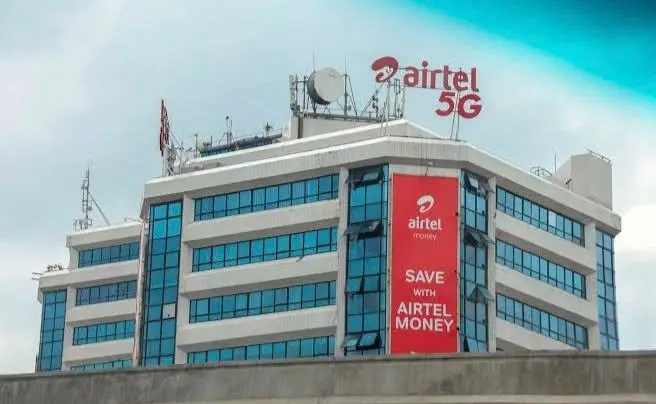
(NAIROBI, KENYA) – Airtel Kenya’s operating licence status remains unclear after the Communications Authority of Kenya said the telecoms operator’s applications are still awaiting public submissions.
The regulator said in a gazette notice dated 28th August that Airtel Kenya’s applications for a network provider permit and a satellite provider authorisation were subject to public submissions until 28th September, after which a decision can be made.
The notice comes a month after Airtel Kenya’s managing director, Djibril Tobe, said the company had received a 25 year permit after paying an undisclosed fee, ending uncertainty over its operations.
The regulator and Airtel Kenya did not respond to queries on the status of the telco’s permits by the Business Daily.
Airtel’s rival, Safaricom, recently announced that it secured a new 25 year operating licence.
Previously, the two operators had each paid KES2.3 billion ($17.7 million / £14 million) for 10 year permits. Safaricom did not disclose the amount paid for its licence renewal, but the telco’s financials for the year ended March 2026 showed it spent KES16.3 billion ($125.4 million / £99.4 million) on licences in Kenya during the period.
The two companies were granted temporary two year operating licences in late 2024, pending agreement on fees, spectrum allocation and penalties for service outages. Airtel has been operating under the temporary permit since.
The CA’s latest disclosures show that the telco seeks Network Facilities Provider Tier 1 and International Gateway Systems and Services permits. The network provider permit authorises telcos to deploy communication infrastructure countrywide, including data centres.
The international gateway permit was recently introduced for satellite internet providers, broadcasters, and telcos using satellite technology.
Safaricom holds both permits.
The CA said Airtel Networks Kenya Limited made applications pursuant to the provisions of the Kenya Information and Communications Act for grant of the two licences.
In August, Tobe said the company secured a 25 year licence and was waiting for the final administrative steps towards securing the satellite service permit, due within weeks.
Tobe said the company had successfully renewed its licence for another 25 years, which assures it is here to stay.
Over the past decade, the company has been locked in a dispute with the regulator over its licence, which initially expired in 2015.
The company has been operating under a permit it inherited from YuMobile, a rival operator it bought in 2014 after the firm exited the Kenyan market. Airtel later signed an out of court deal with the regulator in 2022, which triggered the renewal of its expired licence from 2015 to 2025, before it got the temporary permit, valid through January 2027.
Airtel has partnered with US firm SpaceX to introduce Starlink’s direct satellite to mobile service across its 14 African markets, providing supplemental coverage to extend wireless networks to remote areas.
Airtel Kenya in May said it had conducted pilots for the service in Kenya and was awaiting CA approval for a complete rollout.
Tobe said all the requirements in terms of security, customer satisfaction, process and maintenance have been satisfied. He said it was now a matter of administrative procedures, and the company was confident that within weeks the CA should come with approval.
Both the network provider and international gateway permits are valid for a minimum of 15 years or a longer option of 25 years.
Operators pay multiple fees for the licences, including annual charges.
In February, the CA told the Business Daily that it was reviewing Airtel’s satellite service, looking to curb potential interference with mobile phone networks. The rollout would mark the first time Kenya authorises a satellite operator collaborating with a wireless carrier to provide supplemental telecommunications coverage from space.
The regulator said then that Airtel had submitted a formal application for consideration by the authority, which was being reviewed.
Satellite internet regulation was first proposed in December 2024 amid heightened scrutiny following Starlink’s entry into the Kenyan market.
Starlink, owned by the world’s richest person, Elon Musk, emerged as a potential threat to Safaricom, which in 2024 petitioned the CA to withdraw the licence granted to the American firm, citing risks of illegal connections and network disruption.
Safaricom has since softened its stance and also plans to use Starlink’s network to expand coverage in remote areas by integrating satellite technology into its mobile network.