



(SYDNEY, Australia) – Australian exporters face a 12.5 percent tariff on goods entering the United States, replacing a previous 10 percent import duty. The increase adds an estimated A$1.5 billion (US$970 million, £760 million) in annual costs for Australian businesses selling into the American market.
The new rate replaces a temporary 10 percent tariff imposed after broader trade measures known as Liberation Day duties were found unlawful. Trade specialists say the fresh levy, introduced under Section 301 of US trade law, is structured to withstand legal challenges and could remain in place for several years.
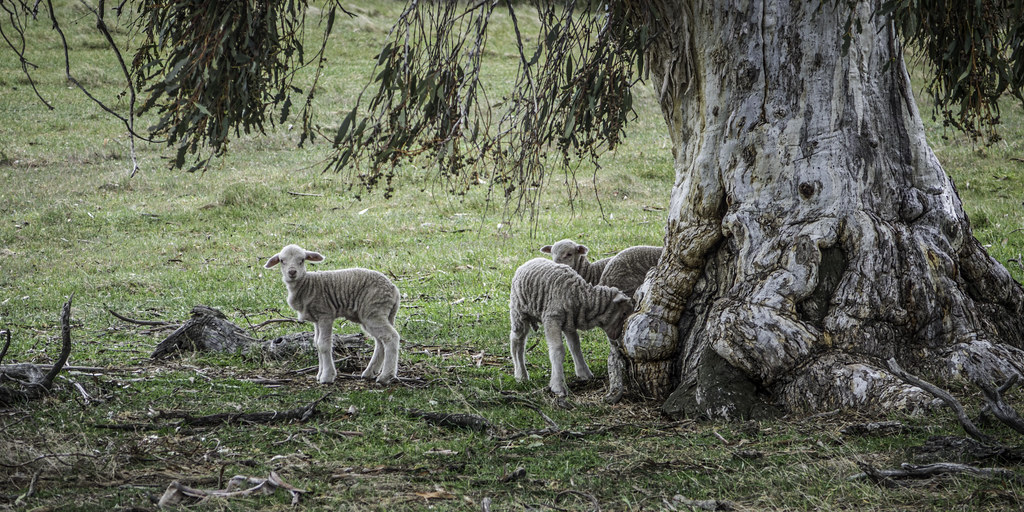
Australian lamb producers are caught by the tariff, while beef exports continue to enjoy an exemption. The differing treatment has left industries across the country recalculating the cost of access to the US market. Some businesses may absorb the extra cost themselves. Others are expected to pass the increase on to American customers through higher prices.
Exporters had only recently begun recovering the illegal tariffs paid during the earlier trade dispute. Those recovered funds are now being redirected to cover the new charges. Trade expert Luke Branson noted that the policy shift had been widely signalled, despite what he described as 18 months of unpredictable trade policy changes from the United States.
The tariff burden lands as Australian businesses wait for the next potential disruption. The current trade arrangements leave open the possibility of further changes over the coming two and a half years.