





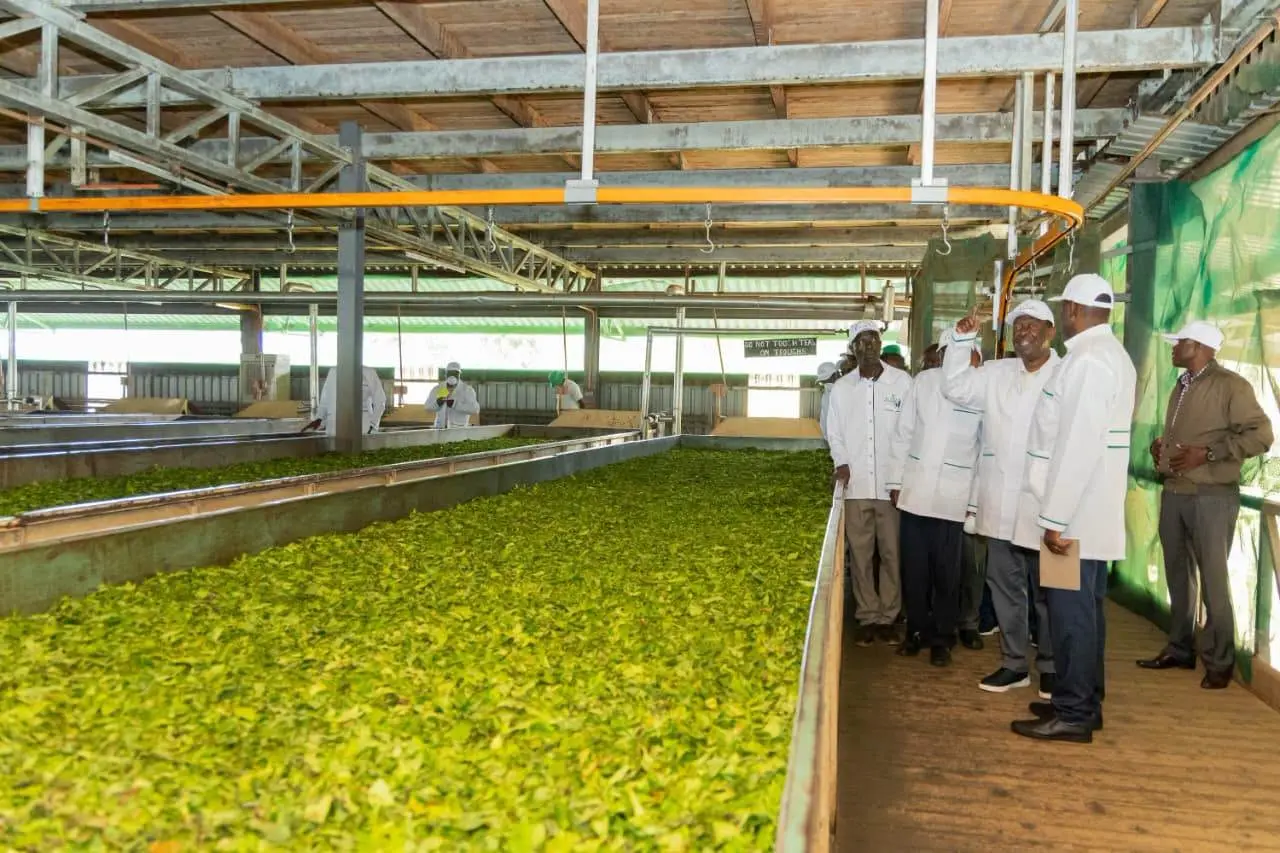
(MOMBASA, KENYA) – Kenya has allocated KES 10 billion ($77.5 million / £61 million) to support value addition, mechanisation and modernisation of smallholder tea farmers’ factories, in a move aimed at increasing farmers’ earnings.
Principal Secretary for Agriculture Dr Paul Ronoh said the government had already disbursed KES 4.5 billion ($34.9 million / £27.5 million), with KES 1 billion ($7.8 million / £6.1 million) allocated to the factory modernisation programme and the balance going towards fertiliser subsidies.
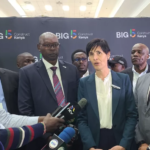
Dr Ronoh spoke at the Port of Mombasa after flagging off 30,000 metric tonnes of fertiliser for distribution to smallholder tea farmers under the Kenya Tea Development Agency (KTDA), ahead of the rainy season.
The consignment is the first batch of the 99,000 metric tonnes of fertiliser that will be delivered to tea farmers across the country.
Dr Ronoh praised KTDA for procuring the fertiliser in good time, compared with last year when it arrived in December.
The PS said the government had instituted reforms in the tea sector to enhance efficiency and improve the earnings of smallholder farmers.
“I know you have received some money, and we will now go ahead and make sure that we provide the remaining money for KTDA so that they can also have a very effective and efficient operation and also remain afloat in the sector,” said the PS.
Dr Ronoh noted that the tea auction report showed farmers’ earnings were likely to improve, as, unlike in previous years, KTDA had managed to sell all the tea, while prices had also risen as the government, through the Tea Board of Kenya (TBK), intensified tea marketing.
“We have no doubt as government that the tea sector will really transform for the betterment of the tea farmers and Kenya as a whole when it comes to economic transformation,” said the PS, adding that, like other farmers, tea growers would purchase the fertiliser at KES 2,000 ($15.50 / £12.20).
KTDA was directed to purchase the fertiliser from international markets through competitive and transparent processes to ensure quality production, while TBK was praised for enhancing enforcement measures in the sector.
“I want to urge our tea farmers to make sure that the tea they are plucking from their tea bushes meets the required quality. Additionally, they have been concerned with the testing of tea, which I want to assure the tea farmers and the Kenyans that a scientific tea testing centre is now ready and is under piloting, and soon we will launch it for full operationalisation,” said the PS.
Farmers were advised to follow guidance from Agricultural Extension Officers and KTDA on when to apply the fertiliser amid the likelihood of El Niño conditions in the country. The private sector was also urged to take advantage of the waiver on taxes on packaging materials.
“Unlike the past, whereby the tea is taken outside Kenya in bulk, and they are packaged outside, we want all Kenyan tea to be packaged in Kenya, made in Kenya, and manufactured at a particular factory, XYZ,” said Dr Ronoh.
He added: “That is the government policy. As we process our tea, we need to reduce the bulk importation of tea to packaging our tea in Kenya because the government has given an incentive to all packers by waiving the taxes on packaging material, which has been a big problem in the tea sector.”
KTDA National Chairman Enos Njeru said the consignment, once bagged, would provide approximately 1.9 million 50 kilogramme bags of NPK 26:5:5 chemically compounded fertiliser.
“This is a significant undertaking, but it reflects the scale at which KTDA operates on behalf of smallholder tea farmers,” stated Njeru, adding that KTDA procured fertiliser in bulk through competitive international bidding.
The fertiliser will be transported to Nairobi by train before being distributed by road to tea factories, where farmers will collect it.
“Timely application of fertiliser is important for maintaining healthy tea bushes and ensuring consistent production of quality green leaf. Our tea extension officers from the factory are at hand to advise farmers on the proper application timing, methods and amounts,” said the KTDA chairman.