








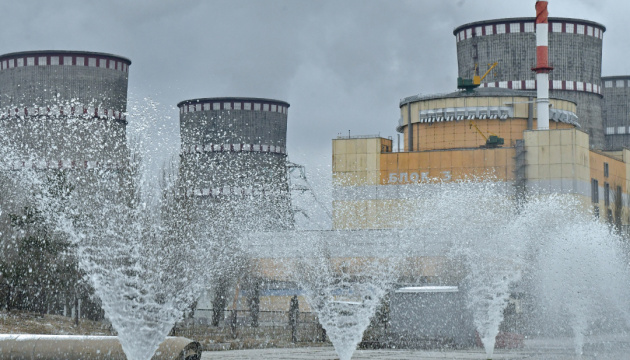
(ENERHODAR, ZAPORIZHZHIA OBLAST) – A fire broke out at the Russian occupied Zaporizhzhia Thermal Power Plant, located about two kilometres from Ukraine’s Zaporizhzhia Nuclear Power Plant, the State Nuclear Regulatory Inspectorate of Ukraine said.
The regulator said the incident was caused by Russian occupation forces’ failure to follow fire safety rules and the destruction of emergency preparedness and response systems at the occupied facility.
The Zaporizhzhia Thermal Power Plant, along with the Zaporizhzhia Nuclear Power Plant and the city of Enerhodar, has been under Russian occupation since March 2022. The thermal plant is currently shut down and is not supplying electricity to Ukraine’s national grid.
Ukraine’s nuclear regulator said the facility’s infrastructure has repeatedly been damaged by shelling, creating additional risks for the safe operation of the nearby nuclear plant.
No changes in radiation levels were detected at the Zaporizhzhia Nuclear Power Plant or within the surrounding monitoring area, the regulator said.
The agency added that fires near the nuclear facility have become a recurring issue during Russia’s occupation of the area.
Previous incidents included a dry reed fire in August 2023 at the former Kakhovka Reservoir site, which was destroyed following Russia’s destruction of the Kakhovka Dam, and a fire in August 2024 at the No. 1 cooling tower system infrastructure of the Zaporizhzhia Nuclear Power Plant.
The State Nuclear Regulatory Inspectorate said the incidents demonstrate that Russia’s occupation authorities have failed to ensure the safe operation, protection and restoration of captured energy facilities.
The regulator said Russia’s full scale invasion continues to damage Ukrainian infrastructure, pointing to the deterioration of the Zaporizhzhia Nuclear Power Plant, Zaporizhzhia Thermal Power Plant and Enerhodar under Russian control.
The Zaporizhzhia Thermal Power Plant is among Europe’s largest thermal power stations. It includes seven generating units, with four units producing 300 MW each in the first stage and three units producing 800 MW each in the second stage.
The plant mainly uses coal as fuel, with natural gas and fuel oil available as backup options.
The thermal plant has also played a critical role in supporting the neighbouring Zaporizhzhia Nuclear Power Plant by providing backup electricity for the nuclear facility’s internal systems.
The International Atomic Energy Agency (IAEA) Director General Rafael Grossi has previously warned that military activity has disrupted water supplies to some facilities at the Russian occupied nuclear plant and nearby areas in south eastern Ukraine.