







(MOMBASA, KENYA) – A data entry mistake has cost a Finnish equipment maker a container handling contract worth KES 947 million (USD 7.31 million, GBP 5.6 million) from the Kenya Ports Authority. The Court of Appeal in Nairobi upheld the decision to disqualify Kalmar Finland Oy after the company changed a key figure in its pricing document from 14 machines to one.
The three judge bench ruled that the error, which Kalmar described as a typing mistake, was a major change to the bid that could not be fixed after tender documents were opened. The ruling leaves intact the award of the contract to Amberton Holdings FZC, the authorised agent of Chinese manufacturer Shanghai Port Machinery Heavy Industries, known as ZPMC.
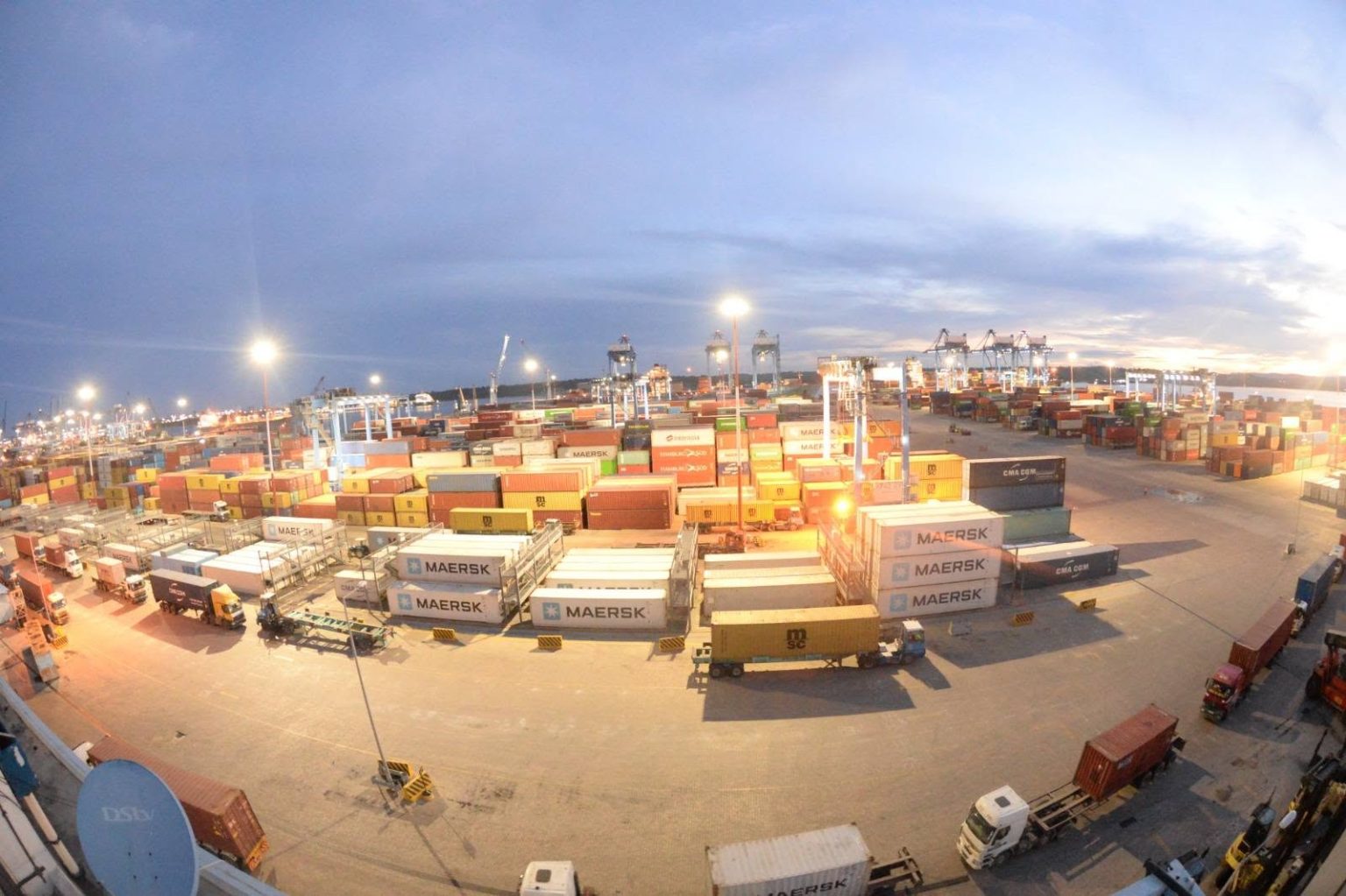
The dispute began with a restricted tender issued by the Kenya Ports Authority in December 2025 for the supply, testing and commissioning of 14 new reachstackers. These are heavy vehicles used in ports to lift, move and stack shipping containers. The procurement was limited to four original equipment manufacturers already working at the port: Kalmar, Sany, Hyster and ZPMC. The tender rules allowed manufacturers to bid directly or through authorised agents.
Kalmar submitted the lowest financial offer at KES 754.6 million (USD 5.83 million, GBP 4.5 million). Amberton quoted KES 947 million (USD 7.31 million, GBP 5.6 million). The Kenya Ports Authority disqualified Kalmar during the financial evaluation stage after discovering that the company’s pricing schedule had altered the preset quantity from 14 reachstackers to one.
The Court of Appeal agreed with the authority’s decision, finding that the mistake affected the substance of the bid rather than a minor detail. The judges said the pricing schedule changes were severe and went to the heart of the contractual scope. Changing the quantity from 14 machines to one amounted to a major departure from the tender requirements.
Kalmar argued that the Kenya Ports Authority should have asked for an explanation before throwing out the bid. The court rejected this position, stating that procurement law does not allow a public body to repair a faulty financial schedule after sealed bids have been opened. Permitting a bidder to fix such defects later would give them an unfair advantage and damage a fair and open procurement system.
The Finnish company also challenged Amberton’s right to take part, claiming the tender was restricted to four named manufacturers and that Amberton was merely a trading intermediary registered in the United Arab Emirates. The appellate judges dismissed this objection. They found that Amberton had supplied a valid manufacturer’s authorisation from ZPMC under the tender terms and had therefore participated lawfully as the manufacturer’s authorised representative.
The court also rejected Kalmar’s position that its lower price should have automatically won the contract. The judges stated there was no automatic right for the cheapest bid. They added that value for money cannot be drawn from a bid that does not meet the requirements. Financial competitiveness can only be considered among bids that have clearly passed the preliminary and technical checks, the court said.
The judges further noted that forcing a public body to award a contract based on a low price while ignoring compliance, operational viability and parts compatibility would damage the integrity of national public economic interests. The appeal was dismissed and the procurement process conducted by the Kenya Ports Authority was affirmed.