







(NAIROBI, KENYA) – Kenyan apparel exporters secured a two year extension of duty free access to the United States market after Washington renewed the African Growth and Opportunity Act to 31st December, 2028.
The extension keeps in place the third country fabric provision which allows Kenyan manufacturers to source raw materials from abroad while still qualifying for preferential treatment. Industry groups said the move would protect factory investment and employment in the export processing zones.
Kenya shipped apparel worth $470 million (KES 60.7 billion / £370 million / €430 million) to the United States under AGOA in 2024. The sector supports 66,800 direct jobs with women holding three quarters of those positions. An estimated 800,000 people depend on the wider value chain.
The Kenya Private Sector Alliance said the extension would help stabilise export orders and give manufacturers confidence to plan expansion. KEPSA Chief Executive Officer Carole Kariuki described the decision as a welcome outcome for Kenyan businesses and workers.
AGOA has operated for 25 years as one of the main trade policy instruments linking the United States and Africa. The programme covers eligible sub-Saharan African countries and allows qualifying goods to enter the American market without tariffs.
The renewal followed months of lobbying by Kenyan business groups, government officials and regional partners. An earlier extension had pushed the deadline only to December 2026, creating uncertainty for long term supply contracts.
KEPSA had sought a longer renewal period or a two year transition window to allow Kenya and the United States to negotiate a bilateral trade agreement. The approved extension falls short of that ask but provides breathing room for talks on a more permanent framework.
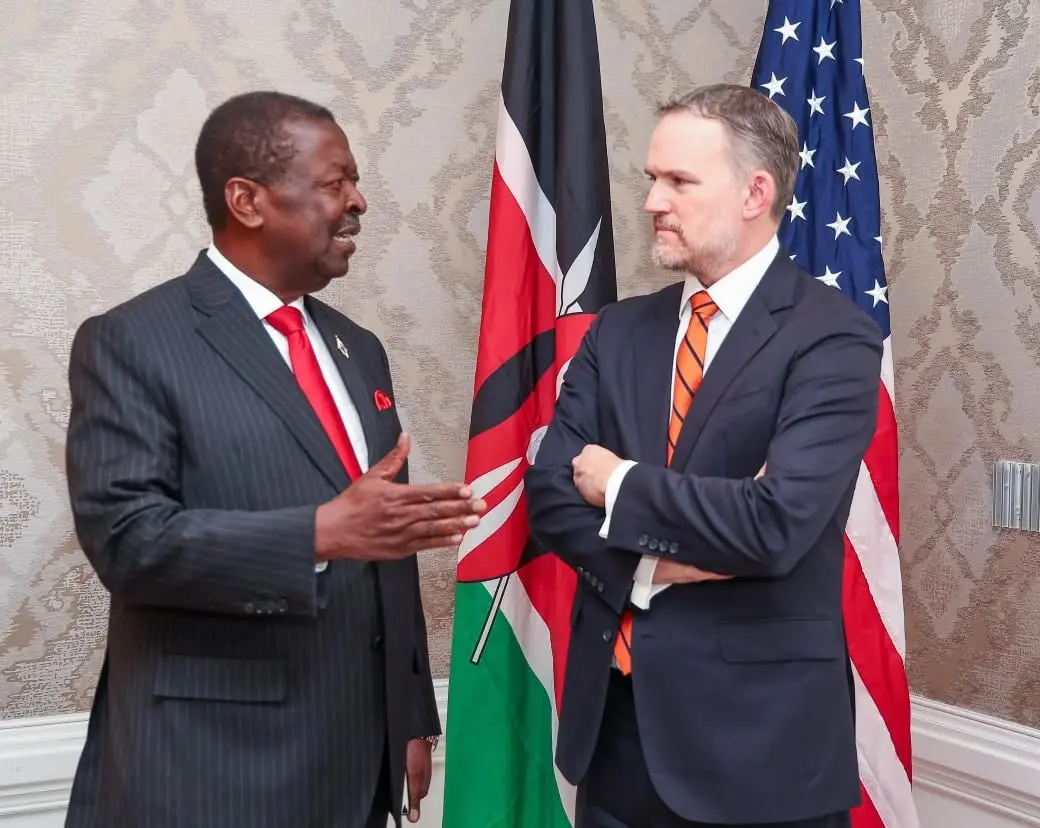
President William Ruto engaged American counterparts on the matter while Kenyan lawmakers also pushed for renewal. KEPSA said it would continue working with government and development partners to maximise benefits from the extension.
The apparel industry remains one of Kenya’s largest formal employers. Factories concentrated in Athi River, Mombasa and Nakuru produce garments for American retailers under the preferential trade terms.
The third country fabric provision has been central to the sector’s growth. Without it, Kenyan factories would need to source all inputs locally or regionally, raising costs and reducing competitiveness against Asian suppliers.
KEPSA said the next phase of engagement would focus on building a predictable trade architecture before the 2028 deadline expires.