



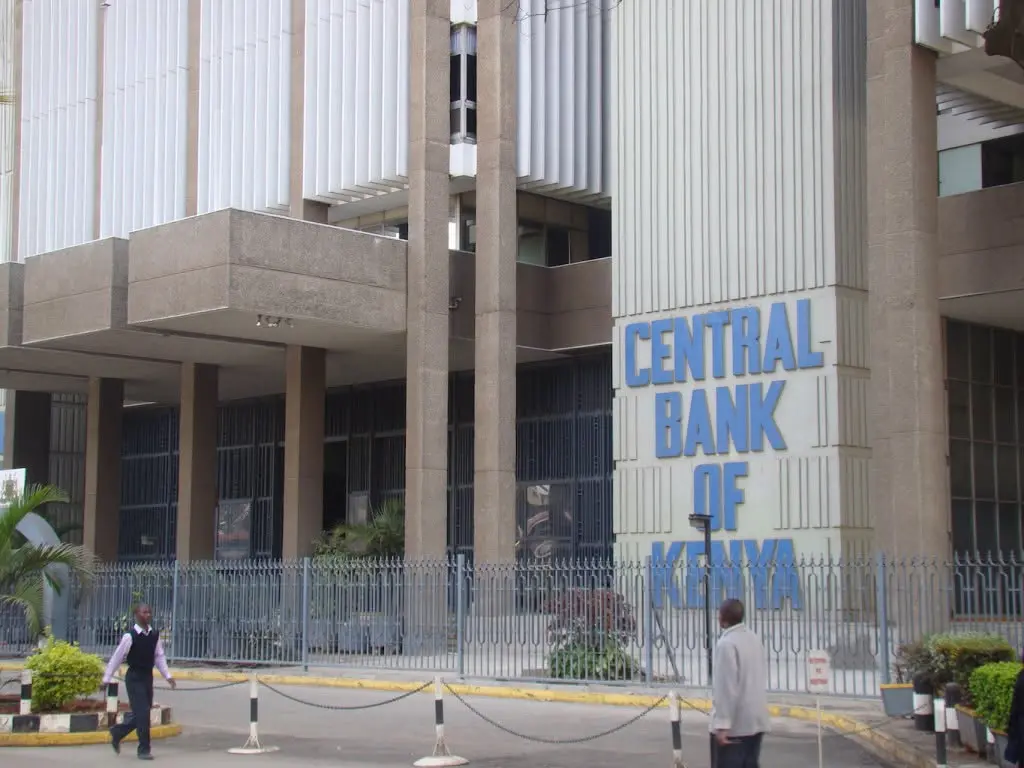
(NAIROBI, KENYA) – Kenya’s central bank rejected KES 31.2 billion ($241 million / GBP 182 million) in bond offers in September’s second auction after investors demanded higher returns on inflation and Middle East war fears.
The Central Bank of Kenya (CBK) was targeting KES 60 billion ($464 million / GBP 351 million) from a reopened 20 year bond from 2019 paying 12.87% and a 30 year paper first issued in April 2026 at 12.5%.
Investors offered KES 81.4 billion ($629 million / GBP 476 million). CBK accepted KES 50.18 billion ($388 million / GBP 293 million), leaving the sale KES 9.82 billion ($76 million / GBP 57 million) short of target.
The high volume of rejections reflected demands for returns above the coupon or actual interest rates payable on the bonds.
The auction came amid rising Middle East tensions after Houthi rebels in Yemen attacked the Red Sea shipping route and a key oil pipeline in Saudi Arabia, crippling supplies from the world’s biggest producer and a key fuel source for Kenya.
The conflict has pushed the US 10 year bond yield above 5% for the first time since 2023 on inflation concerns, setting the stage for higher rates globally.
On the 30 year bond, investors asked for 14.47%, two percentage points above the paper’s coupon. Offers stood at KES 37.6 billion ($291 million / GBP 220 million), with CBK accepting KES 16.7 billion ($129 million / GBP 98 million) at a yield of 14.23%.
On the 20 year bond, investors offered KES 43.8 billion ($339 million / GBP 256 million) at an average asking yield of 13.67%. CBK took up KES 33.5 billion ($259 million / GBP 196 million) at 13.61%.
Yields on reopened bonds represent the rate at which investors are comfortable lending to the government. Where yields exceed a bond’s coupon, CBK offers buyers a discount on the price to cover the difference.
Where investors ask for yields below a bond’s interest rate, they pay the government a premium to secure the paper. This normally happens when the government reopens a high paying bond while interest rates are falling.
A unit of a bond is normally priced at KES 100 ($0.77 / GBP 0.59), with investors earning a return from the paper’s fixed interest rate.
The 30 year bond settled at KES 93.27 ($0.72 / GBP 0.55) per KES 100 ($0.77 / GBP 0.59) unit due to the discount covering the yield coupon gap. The 20 year bond priced at a slight premium of KES 101.54 ($0.79 / GBP 0.59) despite the higher yield, as it pays its next semi annual interest in two weeks.
This was the second Treasury bond sale this month after the 2nd September auction of reopened 15 and 30 year papers, which raised KES 47.7 billion ($369 million / GBP 279 million) against a KES 60 billion ($464 million / GBP 351 million) target.
Monthly issuance has now raised KES 97.92 billion ($757 million / GBP 572 million) against a KES 120 billion ($928 million / GBP 702 million) target, from investor offers of KES 149.6 billion ($1.16 billion / GBP 874 million).
The National Treasury and CBK were not under pressure to borrow at all costs in September. The State had already raised KES 406 billion ($3.14 billion / GBP 2.37 billion) in net domestic borrowing in July and August.
That borrowing in the first two months of the fiscal year was equal to 41% of the full year target of KES 987.4 billion ($7.63 billion / GBP 5.77 billion).
With the extra KES 97.92 billion ($757 million / GBP 572 million) raised in September, net borrowing has reached 51% of the annual target. No bond maturities fell due this month, and Treasury bill maturities have generally been refinanced through rollovers.