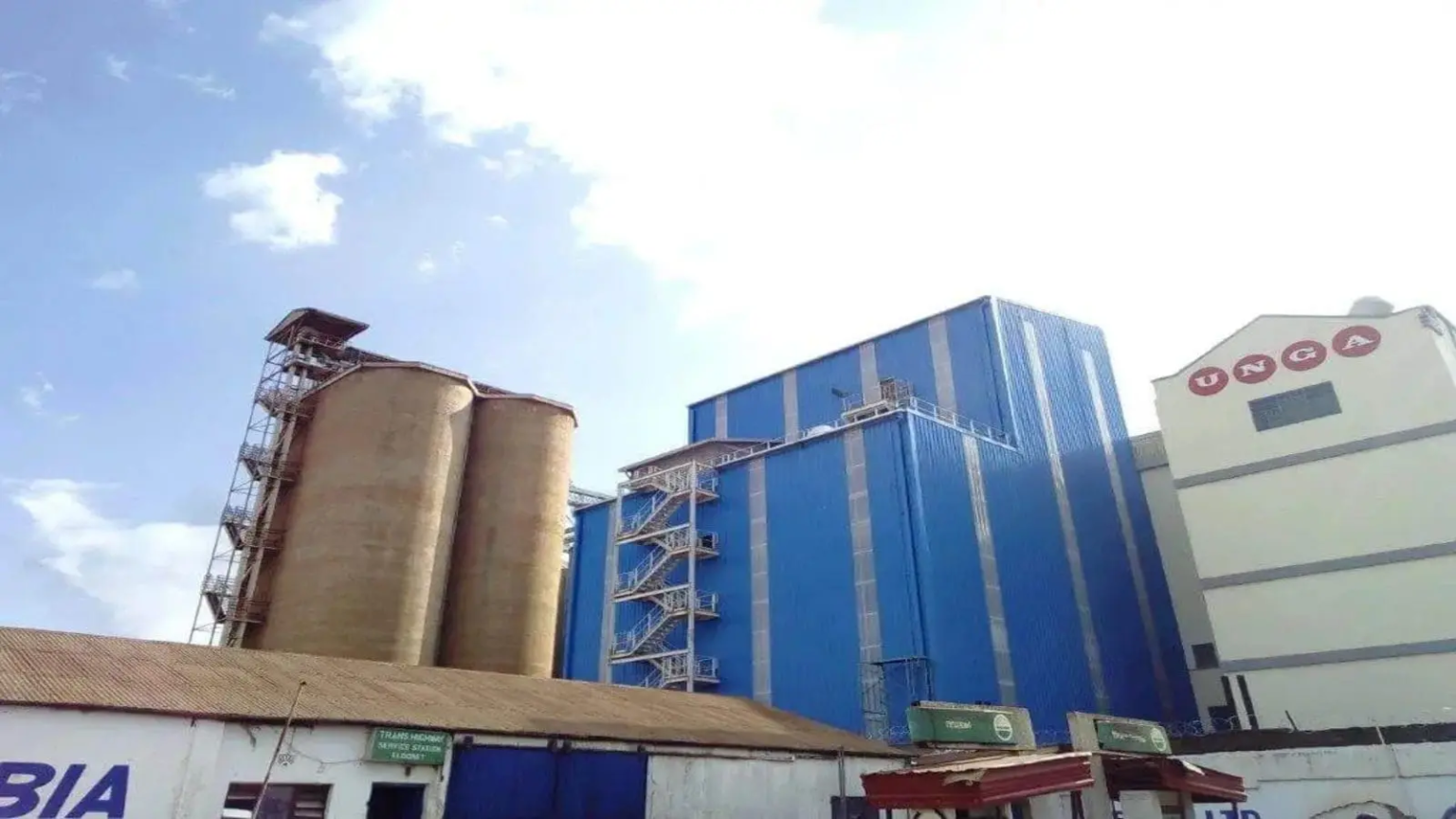
(NAIROBI, KENYA) – Human and animal feed processor Unga Group says it will reinvest its earnings into the business, reversing its earlier statements that it will resume dividend payments after returning to profitability.
The company last paid a dividend of KES 0.5 per share, or a total of KES 37.8 million ($291,400), for the year to June 2019 when it recorded a net profit of KES 544.8 million ($4.2 million).
The Nairobi Securities Exchange listed firm instituted the dividend freeze in the subsequent year and maintained the payout suspension continuously through a mix of losses and profits.
The company, which has no publicly stated dividend policy, has previously said it would resume dividend payments on return to profitability and strong cash generation. Unga Group now says all its profits will be reinvested in the business, with the announcement made after the company’s net income surged 82.2% to KES 404.5 million ($3.1 million) in the year ended June 2026.
“No dividend is recommended for the year, consistent with the priority of reinvesting in capacity and margin recovery,” the company said in a statement.
“The group’s priority is to convert improved year-on-year momentum into sustainable, profitable and cash generating growth. We remain alert to ongoing global volatility in raw material supply chains, interest-rate and currency risks, and will continue to pursue growth responsibly, balancing commercial performance with disciplined capital allocation.”
The change in priorities means Unga Group’s shareholders could go for even longer without dividends despite profit growth, leaving them to rely on the less dependable capital gains for returns.
The company’s share price has gained 10% since the dividend freeze started and traded below the KES 39.3 recorded on Friday for most of the period.
At KES 404.5 million ($3.1 million), the latest profits cover the company’s potential dividend at the previous payout of KES 0.5 per share, or KES 37.8 million ($291,400), more than ten times.
Unga Group told investors in 2023, when it sunk into a net loss of KES 959.3 million ($7.4 million), that returning to profitability will lead to dividend payments.
“We continue to ask our shareholders to be patient with us as we work our way out of the difficult period we have been through, with the promise that our new strategic plan will return the company to profitability and, as a result, dividend payments will resume,” the company said in the 2023 annual report.
The company emerged from losses in 2025 when it reported a net income of KES 222 million ($1.7 million), stating that it was on a recovery path that will support future dividend payouts.
“The most telling indicator of our operational health is the cash flow generation. The group generated KES 1.085 billion ($8.4 million) in cash from operations, a massive swing from the KES 725 million ($5.6 million) cash outflow in 2024,” Unga Group said in the 2025 annual report.
“This positive cash generation provides the flexibility to further reduce debt, fund strategic capital expenditure internally, and support future dividend considerations.”
Besides Unga Group, a few other NSE listed firms are not paying dividends despite posting profits, including Sameer Africa.
Unga Group’s net profit of KES 404.5 million ($3.1 million) in the year to June 2026 was helped by higher sales and improved margins. Sales grew by KES 4.3 billion ($33.2 million) to KES 30.4 billion ($234.6 million) in the review period from KES 26.1 billion ($201.4 million) a year earlier. Its gross profit margin increased from 2.7% to 3.08%.
“The revenue growth was driven by higher volumes across both the animal nutrition and human nutrition businesses,” the company said.
“Enhanced cost management and improved operational efficiency enabled the group to convert this growth into improved profitability, resulting in better margin performance compared to the previous financial year.”
The company noted that there was mixed performance in its operations, with the animal nutrition division delivering better performance on the back of market expansion, improved distribution and market share gains from acquisition of new customers.
“Human nutrition also recorded growth; however, margins remained under pressure amid intense price-based market competition and ongoing volatility in key raw material costs,” the company said.
Unga Group holds a 65% interest in the operating businesses including Unga Farm Care (E.A.) and Unga Limited. American multinational Seaboard Corporation holds the remaining 35% stake in the businesses.
Seaboard also holds a direct 18.47% interest in Unga Group which it acquired in 2018 when its buyout of the miller, working in concert with the Philip Ndegwa family, failed.
The Ndegwas are the top shareholders of Unga Group with a 50.93% stake.
Unga Group also benefitted from lower finance costs which dropped to KES 261.3 million ($2.0 million) from KES 394.5 million ($3.0 million). Corporate borrowers have benefitted from a fall in lending rates and a stable shilling, which is positive for those holding credit facilities denominated in hard currencies.
Unga Group reported the larger profit despite paying a higher tax burden, underlining the impact of growth in sales and margins.
The company paid an income tax of KES 339.1 million ($2.6 million) on the pre-tax earnings of KES 743.6 million ($5.7 million), representing an effective tax rate of 45.6% in the review period.
It had incurred an effective tax rate of 34.8% in the prior year which amounted to KES 118.7 million ($915,600) on the pre-tax earnings of KES 340.8 million ($2.6 million).
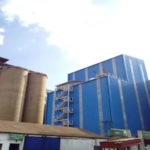
Unga Group says it completed biomass installation at one of its sites as part of efforts to cut costs and meet its environmental goals.