



(NAIROBI, KENYA) – Kenya’s insurance regulator and Kenya Re have differed over a regulatory filing showing the reinsurer bought a KES 3.39 billion ($26.2 million) stake in collapsed Athi River Mining Cement, raising questions over the identity of the listed transaction.
The filings from the Insurance Regulatory Authority for the six months to June showed Kenya Re had bought additional shares in ARM Cement, a Nairobi Securities Exchange listed firm that went into liquidation in October 2021.
Kenya Re denied the stake transaction as filings indicated holdings of shares of reinsurers in companies listed at the NSE had grown from KES 1.35 billion ($10.4 million) to KES 6.32 billion ($48.9 million), with the insurance regulator citing the ARM deal for growth.
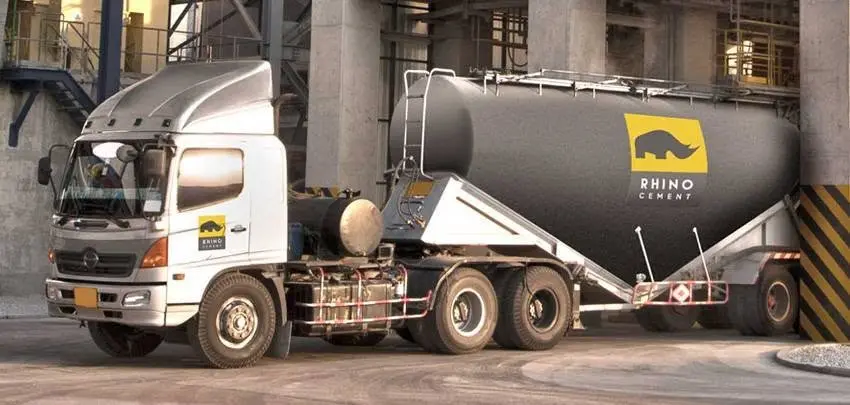
ARM Cement was suspended from trading at the Nairobi bourse in 2018 after it was put under administration and its assets were sold to the National Cement Company for KES 5.05 billion ($39.1 million).
The firm, once Kenya’s second largest cement maker, was put under administration by some of its creditors, including local commercial banks, over a KES 20 billion ($154.9 million) debt.
IRA on Thursday doubled down on its notice showing Kenya Re had spent billions of shillings on ARM Cement in the period to June.
“That is how it is. It is what they filed with us. Whose report is it? It is my report, and I am the one telling you so. Let them deny,” IRA chief executive Godfrey Kiptum told the Business Daily in an interview on Thursday.
This has raised questions about the credibility of the filings from insurance firms and what company shares Kenya Re bought for KES 3.3 billion ($25.6 million).
A number of fund managers have counted Kenya Re among the state parastatals that were pressured by the State to buy into Kenya Pipeline Company initial public offering in quarter one this year.
The pressure came amid fears that the IPO would collapse in the wake of poor interest from retail investors, high net worth stock dealers and oil marketers.
Kenya Re head of property and investments Nicodemus Gekone told the Business Daily in a phone interview on Thursday that the reinsurer was not aware of an investment in ARM Cement.
“That is not accurate. We have not acquired any ARM Cement shares. I am in charge of investments and I am saying so without any fear of contradiction. We are going to write to IRA,” said Mr Gekone.
The rare clash between a regulator and an institution it supervises raises questions on credibility of the industry data which IRA says it compiles based on what insurers and reinsurers file with it on a quarterly basis.
Kenya Re is 60% owned by government and is among the cash rich firms that pay steady dividends to the State.
IRA says it does not alter any information a company files with it unless it has consulted the respective firm and agreed on any change.
“The information contained in this report has been extracted from the quarterly unaudited returns submitted to the authority in line with Section 54 of the Insurance Act without any adjustments, unless in consultation with the affected insurer(s) and/or reinsurer(s),” states IRA in its report capturing the filing.
The disputed Kenya Re investment came in the period the regulator’s data showed the insurance industry’s exposure to NSE listed firms rose to KES 56.48 billion ($437.6 million) at the end of June from KES 30.57 billion ($236.8 million) in the similar period last year.
The surge raised the share of the industry’s quoted shares in total investments to a four year high of 3.4% from 2.2%, with reinsurance business having the highest exposure at 6.1%.
Insurers and reinsurers have increased their appetite for equities on the back of a boom at the NSE, which has boosted returns.
Life insurers accounted for most of the gains, raising their holdings to KES 43.53 billion ($337.3 million) in the period under review, up from KES 25.35 billion ($196.4 million) a year earlier.
ICEA Lion Life Assurance, Jubilee Life Insurance and Britam Life Insurance had the largest share of the equity investments.
IRA said ICEA Lion Life investment in NSE recorded an increase of KES 5.2 billion ($40.3 million) to KES 14.55 billion ($112.7 million), while Jubilee Life increased by KES 4.66 billion ($36.1 million) to KES 9.93 billion ($76.9 million). Britam Life reported an increase of KES 3.92 billion ($30.4 million) to KES 6.39 billion ($49.5 million).
“Collectively, these three insurers accounted for 75.3% of the overall growth in quoted shares during the period,” said IRA.
The industry had for years dialled down its exposure on the NSE. The latest holding is still well below 2014, when quoted equities took up 20% of the sector’s investment.
The rebound in stock prices has made equities more attractive compared to traditional fixed income instruments. Insurers, which typically prioritise capital preservation, are, however, cautiously increasing their risk appetite given the volatile nature of equities.
The gradual increase in equity exposure suggests insurers are positioning themselves to benefit from capital appreciation while maintaining balanced portfolios.