








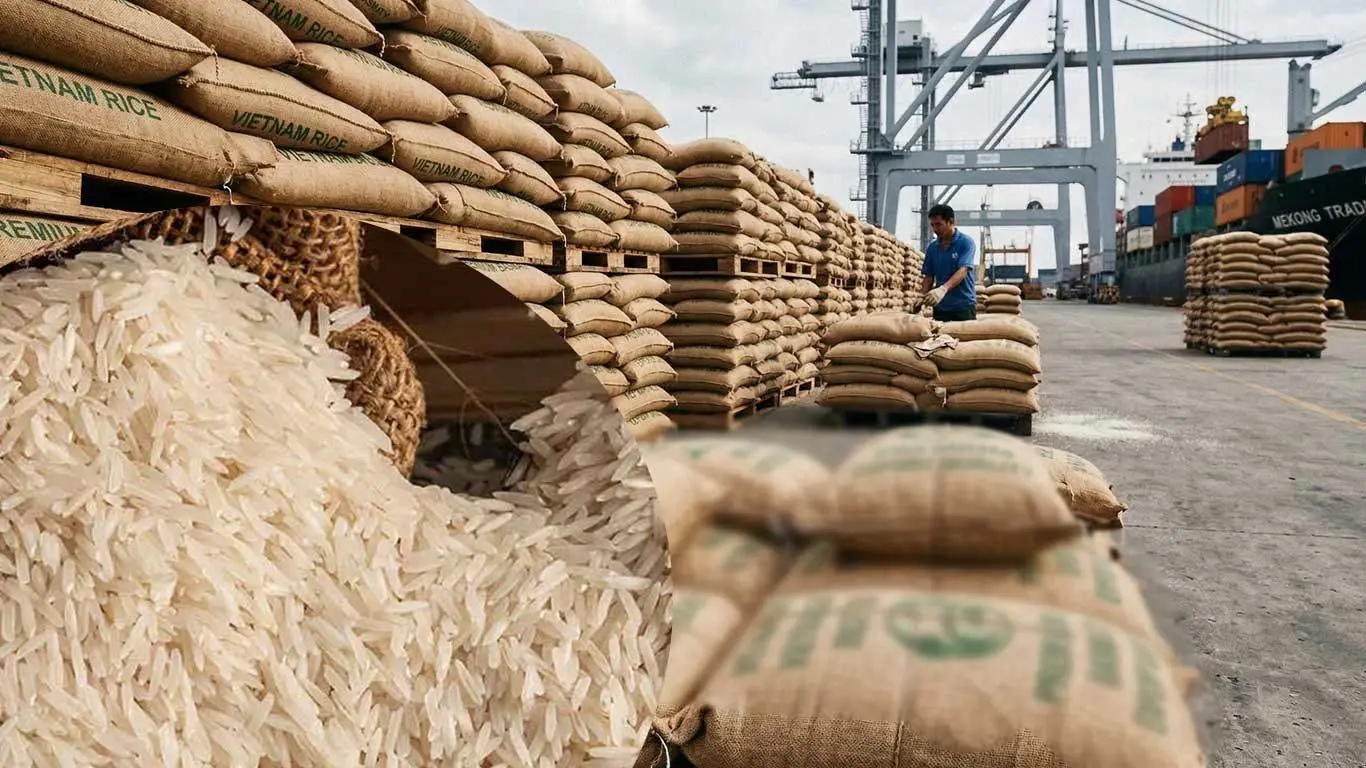
(NAIROBI, KENYA) – The High Court has ordered the government to file a status report on the importation of 490,000 tonnes of duty free rice authorised under a Gazette Notice published last month. The court directed the government to file the report within 30 days.
The report must detail the quantity of rice imported and cleared so far, the balance of the authorised quota, all customs entries lodged but not yet completed, and the status of those entries. The court said the respondents must file a further status report once the quota expires or is exhausted. The report must confirm the total quantity imported and cleared under gazette notice number 10061.
The High Court also directed the government to continue receiving, processing and completing applications, approvals, exemption codes, customs entries and other documents needed for the importation and clearance of consignments within the unused portion of the quota.
The orders followed a petition by the Ahero Rice Farmers Association. The farmers sued demanding accountability in the importation of the 490,000 tonne limit set out in the notice published on 6 July 2026. They said they did not oppose the government’s decision to import rice to improve food security. But the programme should be carried out in a transparent and accountable way within the quota.
The association argues that the Gazette Notice was issued without meaningful public participation or consultation with local rice farmers, farmer associations, millers and county governments. The farmers said this goes against Articles 10, 201(a) and 232 of the Constitution. The petition stated that the matter raises issues affecting food security, public revenue, the rice market and the livelihoods and economic interests of rice farmers.
The association sued National Treasury Cabinet Secretary John Mbadi, Agriculture Cabinet Secretary Mutahi Kagwe, the Agriculture and Food Authority and the Kenya Revenue Authority. After the petition was filed, the government complied with the court directive by disclosing a list of approved, licensed and prequalified importers. It also disclosed the quantities allocated to each importer and the quantities already imported and cleared into the country.
The farmers want the Kenya Revenue Authority compelled to establish and maintain a publicly accessible register. The register should show every consignment cleared under the notice, the importer involved, the quantity cleared and the running balance against the authorised quota.
A separate petition has been filed in Nairobi by Soufianne Bakkal. He argues that the government has failed to disclose the information, criteria, reports, economic assessments, market analyses, food security studies, stakeholder consultations and recommendations that informed the decision to allow the duty free imports. Bakkal said the absence of disclosure has denied the public a chance to assess whether the decision was rational, evidence based, equitable, lawful and consistent with constitutional principles.
He argues that the lack of a transparent and fair framework for allocating duty free import quotas violates the principles of good governance and fair administrative action.
The Ahero Rice Farmers Association says it represents more than 1,500 rice farmers from Ahero, West Kano, Bunyala, Mwea, Tana Delta, Bura, Hola, Garsen, Taita Taveta and other rice growing regions. The association says its mandate is to protect the interests of local rice producers, promote sustainable agricultural policies and advance the welfare of the rice value chain.
The petition said the Gazette Notice serves the legitimate goal of promoting food security and protecting consumers from high food prices. But the programme must have adequate safeguards to prevent abuse. The farmers argue that duty free imports should only be allowed where there is a genuine domestic rice deficit.
They warn that allowing large scale imports during periods of local surplus could flood the market with cheaper rice. This could depress farm gate prices and cause major losses to local producers who have invested heavily in land preparation, irrigation, seed, fertiliser, labour, harvesting and milling.
The petition also argues that the duty waiver will cause a significant loss of public revenue while giving large commercial benefits to private importers. The association says the programme must be administered openly, fairly and accountably. The farmers accuse the government of failing to publicly disclose the market analyses, food security studies, economic assessments, stakeholder consultations and other reports that informed the decision. They argue that the failure to disclose this information prevents the public from assessing whether the decision was rational, evidence based and consistent with constitutional principles.