

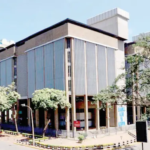


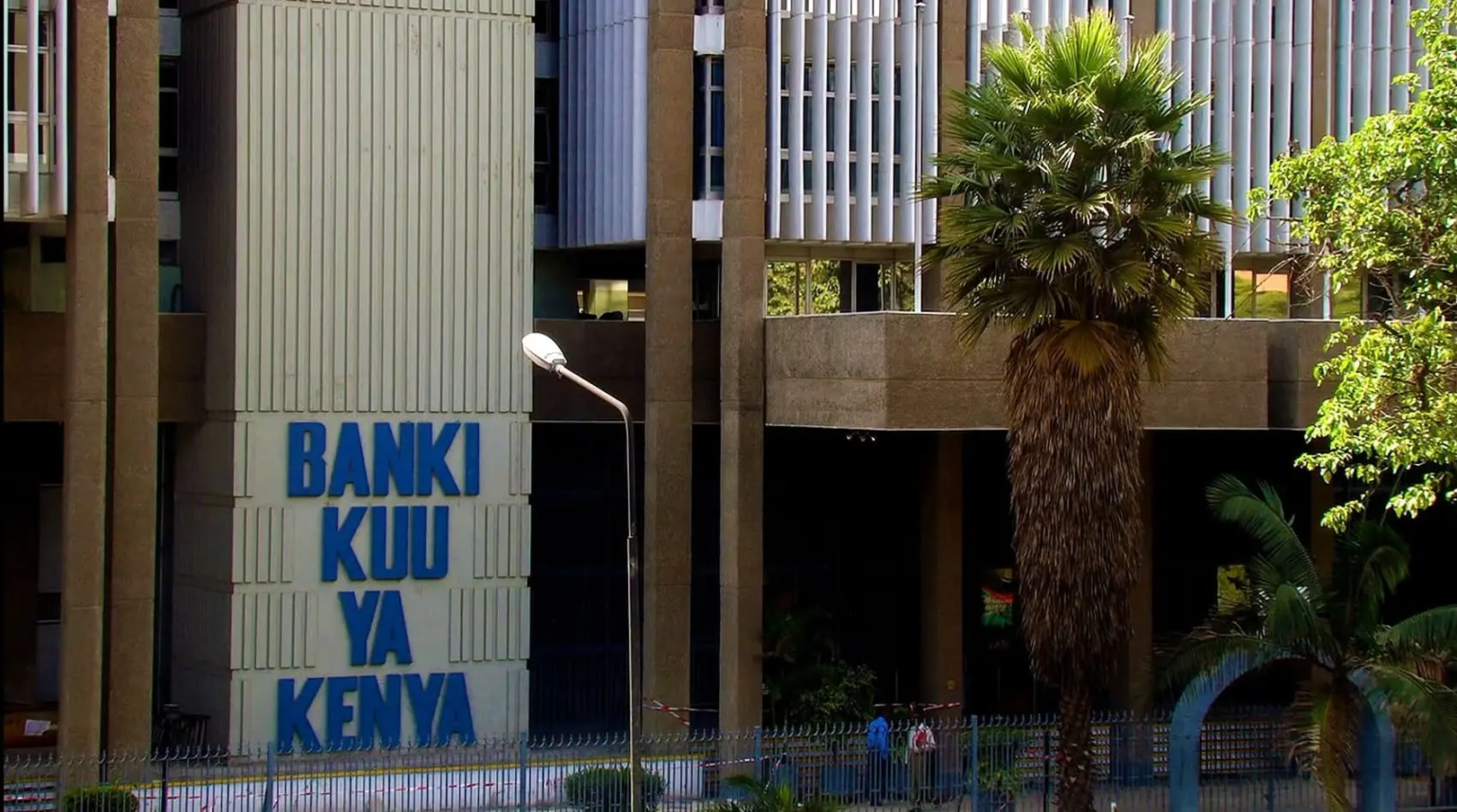
(NAIROBI, KENYA) – The Central Bank of Kenya has failed in its attempt to be removed from a court case in which an M-Pesa customer has sued Safaricom over mobile money fraud.
The court ruled that the central bank’s role as regulator of payment service providers makes its presence necessary in the legal dispute. The court said the regulator could be asked to enforce any orders against the telecoms operators.
The petitioner, Paula Rogo, wants the court to order Safaricom and M-Pesa Holding Company to strengthen systems for preventing mobile banking fraud. She also wants them to set up dedicated fraud reporting channels and teams.
She further wants the companies to introduce transparent and timely compensation for fraud victims, investigate perpetrators and keep affected customers informed about investigations, timelines and possible outcomes.
The court found that if it grants those reliefs, the central bank will be required to exercise its supervisory powers over the mobile money operators to ensure compliance with the orders.
“These reliefs fall squarely within the CBK’s supervisory mandate,” the judge said.
“CBK is not a party against whom a decree is sought, but its presence enables the court to completely and effectively adjudicate the dispute. I therefore find that CBK has not made out a case to be struck out from these proceedings.”
Ms Rogo moved to court in February 2025. She sued Safaricom and M-Pesa Holding Company over an alleged loss of KES 125,658. That amount is equal to $972 or £765 at current exchange rates.
She claimed that she received a call from an unfamiliar number from a person who introduced himself as a Safaricom employee. The caller convinced her he was genuine by sending messages that appeared to come through Safaricom’s official SMS system. He also cited her M-Pesa balance, recent transactions and frequent contacts.
Believing he was a Safaricom employee, she followed his instructions that he said would secure her M-Pesa account. She lost the money in the process.
Ms Rogo wants the court to declare that the defendants violated her constitutional rights to information, consumer protection and fair administrative action.
Within 180 days, she wants them to establish systems to prevent or reduce M-Pesa fraud, dedicated reporting lines and teams, and fair and timely compensation.
She also wants victims updated on investigation progress and outcomes. She seeks KES 125,658, general and punitive damages and interest. That is equal to $972 or £765 at current exchange rates.
The central bank asked the court to remove it from the case, arguing that it was not a proper party.
Ms Rogo opposed the application, saying the central bank should guide and support the court because it regulates payment service providers.
“If judgment is entered in the plaintiff’s favour, the CBK would be required to exercise its supervisory powers to ensure the defendants comply with the court’s orders,” the judge said. The court found that the regulator had not shown prejudice from remaining in the case.
“Without the CBK, enforcement may be difficult.”
Safaricom and M-Pesa Holding separately challenged the suit. They argued that Ms Rogo should first have used the dispute resolution process under the Communications Authority of Kenya.
They said the dispute fell under the Kenya Information and Communications Act and its regulations, which give the authority power to resolve disputes.
The court rejected that argument. It found that the relevant regulation says a party “may” notify the authority of a dispute within 60 days.
“Regulation 4(1) uses ‘may’ for the initiation of the dispute process, which makes this process optional,” the court said. The judge added that the High Court retained jurisdiction.
The judge found that the case was not “merely a consumer complaint.”
The case is scheduled for mention on 17 September.