



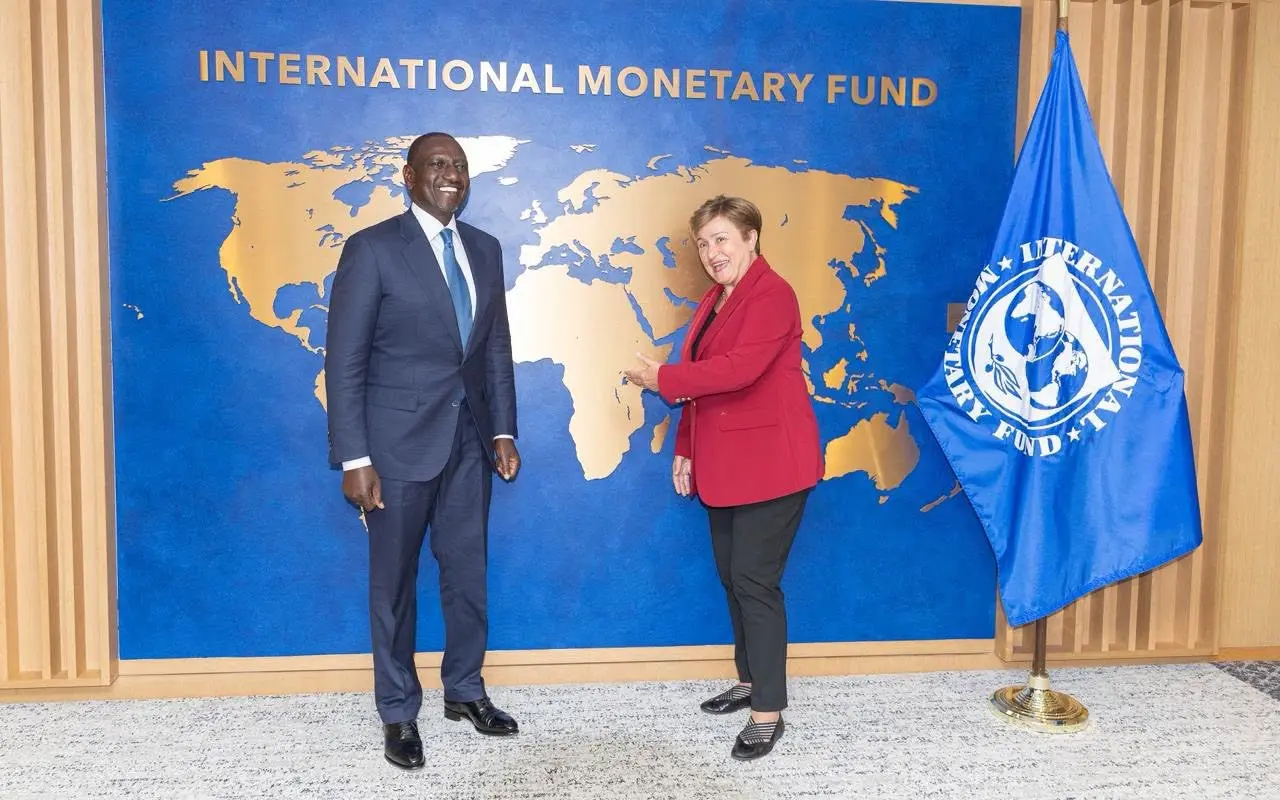
(NAIROBI, KENYA) – Kenya and the International Monetary Fund have restarted discussions on a new lending programme. The arrangement is expected to provide fresh loans but will also bring difficult conditions for taxpayers.
The Central Bank of Kenya said on Wednesday that an IMF team will visit Nairobi soon. The two sides will discuss a new support programme that includes a lending component.
Kenya asked for a new IMF programme after its previous deal worth $3.6 billion ended in April last year. That arrangement closed after Kenya failed to meet agreed conditions. The Treasury then left IMF loans out of national budgets up to 2029.
Central Bank of Kenya Governor Kamau Thugge said an IMF staff team was expected in Nairobi shortly to begin Article IV consultations. These consultations are a monitoring tool that lets the fund review a country’s economic and financial policies.
“We expect an IMF team to visit Nairobi shortly, initiating the Article IV consultation discussions,” Dr Thugge said on Wednesday.
“In the context of those consultations, we will have further discussions about our relations going forward and in particular on having a fund-supported programme.”
The World Bank says the value of an IMF programme to Kenya goes beyond loans. It argues that oversight from the fund and its reform agenda are critical for the country.
The IMF usually sets the toughest terms among the two multilateral lenders. Those terms include reforms at state corporations, spending cuts and higher revenues. That points to new taxes, a stronger pursuit of tax evaders and cheats, and bringing traders and workers in the informal sector into the tax net.
The World Bank has softer terms. It mostly requires support for social and economic outcomes such as climate change action, competition rules on firms, and the inclusion of minority groups like refugees.
In June the World Bank said it would act as a mediator in efforts to narrow differences between the IMF and Kenya over the Article IV consultations.
Kenya postponed those consultations last year. The exercise allows the IMF to assess a country’s economic health and evaluate financial risks.
“At the request of the Kenyan authorities to prioritise discussions on their programme request, the 2025 Article IV consultation was rescheduled for a later date,” the IMF said in September last year.
A dedicated team of IMF economists visits a member country every year to gather economic data and hold talks with government and central bank officials. After the visit, staff prepare a full country report. That report triggers conditions attached to soft loans from the fund.
Kenya has lacked IMF support since March 2025. The fund then ended a standing arrangement and denied the country KES 110 billion in financing. That amount is equal to $850 million or £670 million at current exchange rates. Fresh discussions have dragged on.
“Delays in reaching a new IMF programme could weaken the credibility of the fiscal framework,” the World Bank said in a report that accompanied its latest disbursement.
“The World Bank and IMF continue to work closely to coordinate policy dialogue, analysis, and technical assistance,” the multilateral lender added in a report that gave the IMF funding problem prominence.
The push for a new arrangement with the IMF is seen as more important from a reform perspective. The fund would enforce discipline in spending and revenue collection beyond financial support.
Kenya did not include any new funding from the IMF in the budget for the year starting 1 July. It sought to avoid tough lending conditions attached to IMF support, including higher taxes, job freezes and spending cuts.
Kenya therefore approached fresh IMF talks with caution after the earlier loan facility was ended because of breached conditions.
The World Bank sees risks to Kenya’s macroeconomic outlook. A prolonged conflict in the Middle East could raise fuel and fertiliser import costs and reduce diaspora remittances.
The general election set for August 2027 is expected to increase political risks and weaken fiscal consolidation efforts.
“Should financing conditions tighten or refinancing costs rise, private sector credit would be crowded out, investor confidence could weaken, and the anticipated recovery in domestic demand could lose momentum,” the World Bank said.
The IMF had set painful conditions after its loans surged following the Covid-19 pandemic. They included the need to raise tax revenues, cut budget deficits and restructure state owned enterprises.
Kenya has turned more towards the World Bank for budget support without new IMF funding. The World Bank imposes less stringent conditions.
In June the World Bank approved a loan of KES 97 billion to Kenya. That is equal to $750 million or £590 million at current exchange rates. The approval came after Kenya cleared hurdles that had stalled the loan package throughout 2025.