



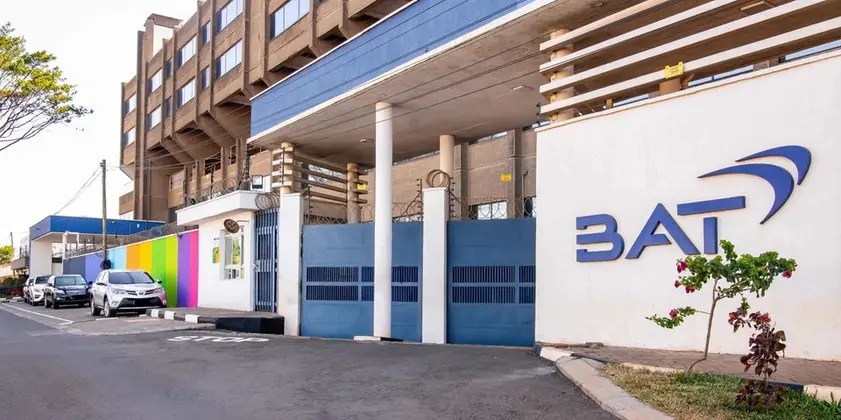
(NAIROBI, KENYA) – British American Tobacco Kenya has asked the High Court to strike out a KES 4.5 billion claim over its VELO nicotine pouches. The company says the petitioner bypassed remedies provided under tobacco control law. The claim is equal to about $27.8 million or £21.9 million.
The company wants the court to dismiss both the petition and an application seeking interim orders before it answers the allegations on their merits. The legal dispute centres on VELO, the smokeless and tobacco free pouches containing nicotine, flavourings and plant fibres that users place between the lip and gum.
Vivian Anemba, aged 23, filed the petition last month against BAT Kenya, the Tobacco Control Board, the Cabinet Secretary for Health, the Director of Public Prosecutions and the Attorney General.
The petition alleges that BAT unlawfully promoted VELO through ground activations, entertainment events, peer promoters and sales of individual pouches. This is said to go against the Tobacco Control Act. She seeks KES 1.5 billion for a public health fund and KES 3 billion in punitive damages. The health fund figure is equal to about $9.3 million or £7.3 million. The damages figure is equal to about $18.5 million or £14.6 million. She also seeks a recall of VELO products and other orders.
BAT says it has good grounds for striking out the petition. The court should consider the doctrine of exhaustion of remedies and constitutional avoidance. The company calls the petition an improper invitation to the High Court to disregard the statutory process for looking into complaints set out in the Tobacco Control Act.
BAT says the Act provides mechanisms for dealing with alleged offences and disputes. Those procedures should be used before constitutional litigation. The company also challenges the damages claim. Section 7(2) of the Tobacco Control Act requires licensed cigarette manufacturers or importers to pay a two percent solatium contribution based on the value of tobacco products manufactured or imported. The solatium contribution is a two percent annual levy charged on the value of tobacco products manufactured or imported by licensed companies in Kenya.
Under Kenya’s Tobacco Control Regulations, this compensatory payment feeds into the national Tobacco Control Fund. The fund helps pay for public health programmes, cessation support and damage research. BAT argues that the provision does not establish the damages sought by Anemba.
The application says there is no basis for the claim for damages because the Tobacco Control Act has an elaborate framework for addressing adverse effects of tobacco consumption. BAT also points to Section 55. Offences under the law are cognisable offences where a police officer may arrest an alleged offender without a warrant. The company says the High Court should allow statutory enforcement mechanisms to operate before entertaining the constitutional claims.
The application follows court directions issued on 25 July requiring respondents to file responses and address the application for conservatory orders.
The petition alleges that VELO was promoted in Syokimau in June and July through branded vehicles, product displays and promoters. Individual pouches were sold for KES 30 to KES 40. These prices are equal to about 19 to 25 US cents or 15 to 20 British pence.
The petitioner’s advocates say she photographed the activities. They allege that the campaign extended nationwide including the use of university students as peer promoters. They say the activities include ground activation campaigns, commission based promoter schemes, branded venue infiltration and coordinated retail sale of individual VELO pouches.
The petition asks the court to stop VELO promotions, order a recall and repackaging, require regulatory audits and direct investigations and possible prosecution of BAT officials and promoters. It also seeks KES 500 million as security pending determination. This is equal to about $3.1 million or £2.4 million. A further KES 10 million is sought as security for costs, equal to about $62,000 or £49,000.
The dispute follows BAT Kenya’s earlier entry into nicotine pouches through LYFT. Sales of LYFT were halted in 2020 after a regulatory dispute. BAT Kenya resumed VELO sales in July 2025 after citing regulatory clarity. The product contributed KES 232 million, or one percent of revenue, in the six months to December 2025. This is equal to about $1.4 million or £1.1 million.
The company said it expects VELO to contribute 15 percent to 25 percent of total revenue in the medium term as the company expands its modern oral nicotine category. BAT Kenya’s 2024 annual report said the company launched VELO in Kenya in 2022 after introducing the category in 2019. Sales were suspended at the end of 2023 during an ongoing government regulatory process.
The court case is scheduled for mention on 1 September 2026.