







(NAIROBI, KENYA) – The Treasury is seeking funding to subsidise retail fuel prices in the face of hostilities in the Middle East and the 2027 General Election, in a reversal of government policy.
Treasury Cabinet Secretary John Mbadi said that Kenya is seeking additional funding to lower fuel prices without being specific about whether the State is targeting a loan or a new budget. Renewed hostilities in the Middle East are expected to continue disrupting supplies and keep prices elevated, says the International Energy Agency (IEA), signalling inflationary pressures and public anger over the high cost of living.
Kenya is seeking to ease pressure on retail prices, prompting the reinstatement of subsidies that the government withdrew in 2022. The energy regulator has been using the petroleum development levy to stabilise prices, rather than asking for Exchequer support.
But the fund built by the levy is depleted following heavy use in the wake of the Iran war, which started on 28th February and prompted the blockade of the Strait of Hormuz, which carries a fifth of global supplies.
Mr Mbadi said the government is looking for sources of funding to subsidise fuel or petroleum products even going forward, adding that the situation is being monitored as it unfolds because it is unpredictable.
It is not yet clear where the funding will be sourced from, how much is being sought, or whether the Treasury is seeking a loan or a new budget backed by taxes.
On coming to office in September 2022, President William Ruto removed fuel and maize flour subsidies put in place by his predecessor, saying he preferred subsidising production rather than consumption. The move was also aimed at cutting government spending as it sought to get a handle on debt repayments that forced it to deny market speculation about a possible default.
The government has instead used the levy, which is charged at the rate of KES5.40 ($0.04 / £0.03 / €0.03) per litre of fuel, to lower petrol, diesel and fuel prices. The rapid depletion of the subsidy fund has increased pressure on the State to inject more public money to cushion households and businesses from surging fuel prices.
Kenya has extended a reduction in Value Added Tax (VAT) on petroleum products for another three months to mid October to cushion households and businesses from volatility in global energy prices. In April, it cut VAT on petroleum products from 16% to 8.0% for three months after crude oil prices surged because of the US Israeli war against Iran.
But the uncertainty in the Middle East has kept prices high, prompting inflation to jump from 4.25% in February to 6.5% in July. The US Iran ceasefire broke down in July, around a month after the parties signed a memorandum of understanding to end the war.
Kenya Fuel Price and Subsidy Data Trends in 2026
| Item | February 2026 | August 2026 | September 2026 |
|---|---|---|---|
| Petrol per litre Nairobi (KES) | 179.35 | 214.03 | 214.03 |
| Petrol per litre Nairobi ($) | 1.24 | 1.48 | 1.48 |
| Diesel per litre Nairobi (KES) | 176.72 | 222.86 | 217.86 |
| Diesel per litre Nairobi ($) | 1.22 | 1.54 | 1.51 |
| Kerosene per litre Nairobi (KES) | – | 191.38 | 191.38 |
| Kerosene per litre Nairobi ($) | – | 1.33 | 1.33 |
| VAT on petroleum products (%) | 16% | 8% | 8% |
| Inflation rate (%) | 4.25% | – | – |
| Petroleum development levy per litre (KES) | 5.40 | 5.40 | 5.40 |
| Diesel cut passed to consumers (KES) | – | – | 5.00 |
| Diesel cut withheld for cross subsidy (KES) | – | – | 14.28 |
| Petrol price without cross subsidy (KES) | – | – | 222.67 |
Since then, tanker attacks in the Strait of Hormuz have resumed and the conflict spread as Yemen’s Iran aligned Houthi rebels launched attacks in the Red Sea.
The IEA said global oil supply will fall by 4.3 million barrels per day (bpd), or around 4.0%, this year, plunging the world deeper into an oil market deficit. For 2027, the agency sees global supply outstripping total demand by 4.61 million bpd, assuming de-escalation in the coming months. That surplus could allow inventories to recover to their February 2026 level by the middle of next year, the IEA said.
This will come less than two months before the General Election as the cost of living takes centre stage.
The energy regulator this month opted for the cross subsidy to ease pressure on inflation and Kenya’s middle class, who use petrol to power private cars. It denied diesel consumers a KES14 ($0.10 / £0.08 / €0.09) a litre cut in the new fuel pricing cycle to 14th September and transferred the relief to petrol and kerosene.
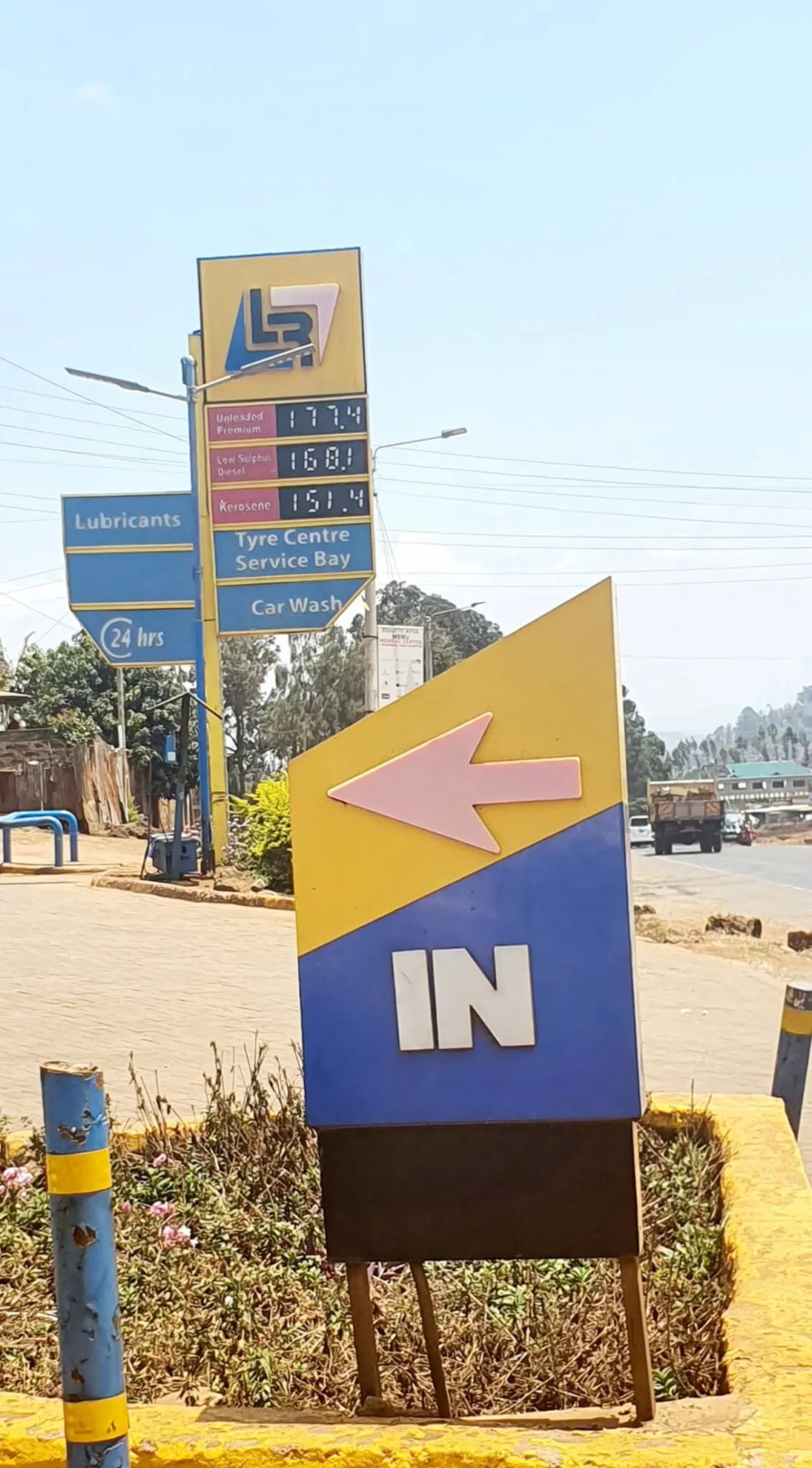
Diesel prices dropped by KES5 ($0.03 / £0.03 / €0.03) to KES217.86 ($1.51 / £1.19 / €1.41) per litre in Nairobi while prices of petrol and kerosene remained unchanged at KES214.03 ($1.48 / £1.17 / €1.38) and KES191.38 ($1.33 / £1.04 / €1.23) per litre respectively in the month ending 14th September.
A litre of diesel should have dropped by KES19.28 ($0.13 / £0.11 / €0.12) to KES203.58 ($1.41 / £1.11 / €1.31) in the capital in line with the fall in global prices, regulatory disclosures show.
The State used diesel to cross subsidise petrol users, preventing the cost of petrol from rising by at least KES8.64 ($0.06 / £0.05 / €0.06) per litre to KES222.67 ($1.54 / £1.21 / €1.44) in Nairobi.
Diesel prices stood at KES176.72 ($1.22 / £0.96 / €1.14) a litre in February while petrol retailed at KES179.35 ($1.24 / £0.98 / €1.16).
Cross subsidisation allows the Treasury to share the subsidy burden with consumers of at least one of the three grades of fuel. MPs earlier flagged the cross subsidy as not supported by the law and disadvantages consumers of one grade of fuel.
The cross subsidy came after the State nearly depleted the subsidy fund it has used to cool costly fuel since April in response to the Iran war.