









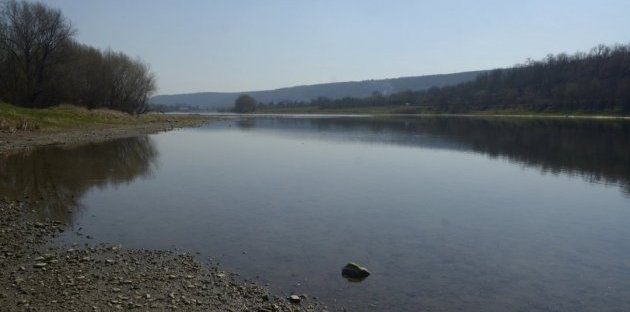
(KYIV, Ukraine) – Water releases from the Dniester Hydropower Complex will be cut temporarily under a new agreement between Ukraine and Moldova. The decision is a direct response to the critically low water levels along the Dniester River, a condition that has threatened drinking water supplies, industrial operations and farming across both nations.
The joint commission responsible for the sustainable use and protection of the Dniester River basin held an emergency meeting to approve the measure. The agreed outflow from the complex will now be held at 85 cubic metres per second. This rate is scheduled to stay in place for two weeks, provided the forecasted inflow into the Dniester Reservoir remains between 50 and 90 cubic metres per second. Should the inflow fall below 50 cubic metres per second or the overall hydrological situation worsen, the commission will meet again urgently to reconsider the operating rules.
Data from Ukraine’s Hydrometeorological Centre shows the scale of the crisis. July 2026 was one of the driest months recorded in recent years. Water volumes in most rivers within the Ukrainian part of the Dniester basin stood at just 10 to 40 percent of the normal level. The inflow to the Dniester Reservoir was around 21 percent of the long term average. On 8 July, operators registered the lowest daily inflow since the reservoir first entered service. The forecast for August does not point to any notable improvement.
Throughout July, Ukraine maintained compensatory water releases at no less than 100 cubic metres per second. This allowed Moldova to accumulate reserves in the Dubasari Reservoir and secure steady water supplies for Chisinau, the Moldovan capital. Continuing at that higher rate, however, had begun to place Ukrainian drinking water intakes under growing strain and risked disrupting services for domestic water users. The State Water Agency of Ukraine reports that 92 water users in the Dniester basin have already seen restrictions placed on their special water use permits.
Iryna Ovcharenko, Deputy Minister of Economy and Environment of Ukraine, said the priority is to find a balance between meeting international commitments and safeguarding the interests of Ukrainian communities and water users. She noted that the water level in the Dniester directly affects supplies to Ukrainian settlements, enterprises and the operation of water intakes. Decisions on the operating mode of the Dniester Reservoir, she added, are based on actual hydrological data, scientific forecasts and close coordination with the Moldovan side.
The low water levels have already had visible consequences. The city of Khotyn, located in Ukraine on the banks of the Dniester, was left without water for several days because of the shallowing river.
Financial disclosures related to any emergency response measures or infrastructure adaptations have not been made public.