







(NAIROBI, KENYA) – The Public Service Superannuation Fund (PSSF), Kenya’s civil servants pension scheme, is changing its investment policy to reduce its heavy reliance on fixed income securities and take on more risk in pursuit of higher returns for its members.
The fund had KES 270.1 billion ($2.09 billion / £1.65 billion / €1.93 billion) of its KES 340.3 billion ($2.64 billion / £2.09 billion / €2.43 billion) total assets invested in government bonds, Treasury bills, Eurobonds, asset backed securities and bank fixed deposits in the year to June 2026.
It now plans to move into listed shares, private equity and offshore investments. The shift comes as annual member contributions hit KES 60.8 billion ($471.3 million / £372.6 million / €434.6 million) in the review period.
“The new direction seeks to balance between generating inflation beating returns while preserving members’ capital over the long term,” said PSSF Chief Executive Officer Dr Jonah Aiyabei.
Retirement Benefits Authority (RBA) rules allow pensions to invest up to 90% of their assets in government debt while allocations to other categories like equities have caps.
The five year old PSSF held all its funds in Treasury bills and bonds three years ago but has been venturing into other assets in the last two years. It recently took part in the Kenya Pipeline Company initial public offering and the Talanta City Stadium infrastructure asset backed bond.
Under the new policy, PSSF may allocate up to 20% of its assets to listed equities, giving it greater exposure to growth opportunities in the stock market. The framework also permits offshore investments of up to 15%, allowing the scheme to diversify geographically and reduce concentration risk within the domestic economy.
In the real estate segment, the fund can invest as much as 20% in property assets, reflecting the long term income and capital appreciation potential of the sector. Up to 10% of the portfolio may be deployed into alternative investments such as private equity, infrastructure projects and private debt. The policy also permits exposure to infrastructure linked instruments and sustainability linked investments.
“With an average member age of 39 years and approximately 99.5% of our members more than a decade from retirement, the PSSF can tolerate short term market volatility in pursuit of higher long term gains,” said Dr Aiyabei.
The scheme has KES 18.3 billion ($141.9 million / £112.2 million / €130.8 million) invested in Linzi Bonds whose proceeds were used by the government to build the Talanta Stadium and affordable houses for military officers while offering annual returns of up to 15.04%. It also holds KES 239.8 billion ($1.86 billion / £1.47 billion / €1.71 billion) in Treasury bills and bonds, KES 11.5 billion ($89.1 million / £70.5 million / €82.2 million) in Eurobonds and fixed deposits of KES 569.3 million ($4.4 million / £3.5 million / €4.1 million).
This means the fund has invested 79.1% of its fund in fixed income securities while holding KES 2.3 billion ($17.8 million / £14.1 million / €16.4 million) in cash and fixed deposits, showing low risk appetite.
Currently it has invested KES 47.8 billion ($370.5 million / £293 million / €341.7 million) in listed equities, or 14% of its assets against the RBA cap of 70%. It invested KES 12.3 billion ($95.3 million / £75.4 million / €87.9 million) in the Kenya Pipeline Company KES 106.3 billion ($824 million / £651.5 million / €759.9 million) IPO, making it the fourth largest shareholder in the firm while helping boost the success of the offer which had failed to attract corporate investors.
Members of PSSF make a 7.5% contribution from their salary which the government tops up with a 15% contribution. The fund has a membership of 529,635, the bulk of whom are teachers at 332,950, disciplined forces (120,084), civil servants (60,322) and 16,279 from county governments.
Before PSSF’s launch in 2021, public servants were covered by the defined contributions scheme managed by the National Treasury. Contribution to the fund was mandatory for public servants who were below the age of 45 when it came into being but voluntary for older ones while every new employee since is automatically enrolled.
The management of PSSF said they are likely to declare returns of between 13% and 15% to their 529,635 members this year, a drop from the 17.98% posted last year when interest rates were high.
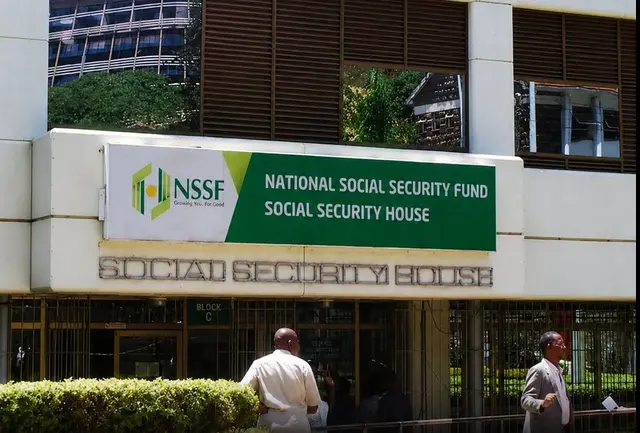
PSSF reported a 15.3% increase in annual contributions to KES 60.8 billion in the review period from KES 52.7 billion ($408.5 million / £323 million / €376.7 million) the year before on the back of higher membership. This means the fund is collecting an average of KES 5 billion ($38.8 million / £30.6 million / €35.7 million) monthly, solidifying its position as the second largest fund after the National Social Security Fund whose monthly collections average KES 8 billion ($62 million / £49 million / €57.2 million).
Pension funds in the country had allocated 46.35% of their KES 3.16 trillion ($24.5 billion / £19.4 billion / €22.6 billion) assets in government securities as at June this year with equities taking 14.3%, guarantee funds (19.3%) and immovable property (7.97%), marking the preferred investment classes.