





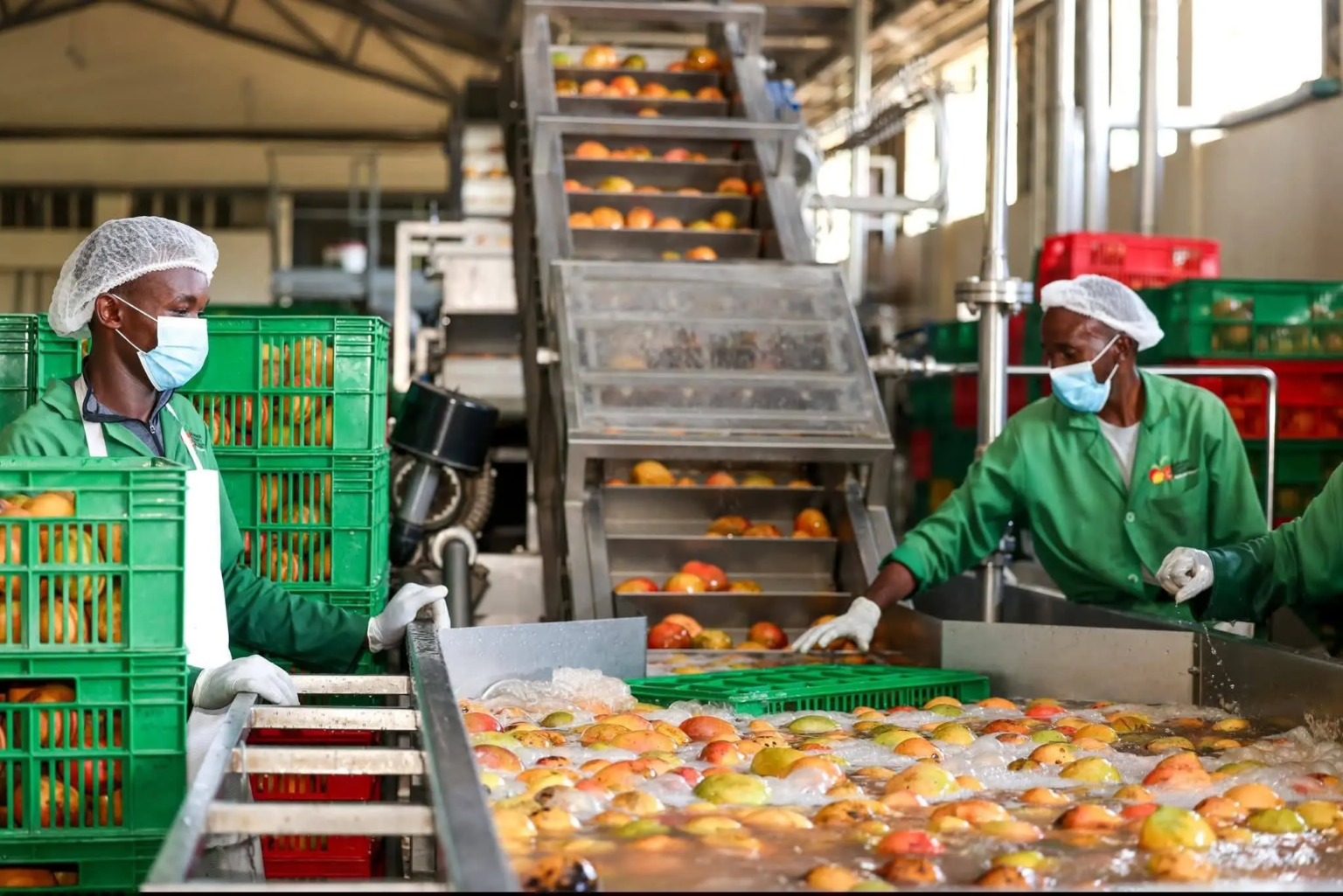
(MAKUENI, KENYA) – Makueni County plans to hand over its KES 1 billion ($7.7 million) fruit processing factory to a private investor under a concession deal aimed at maximising output.
The Public Private Partnership (PPP) unit of the National Treasury approved the concept note for the concession in September 2026, clearing the way for a feasibility study.
“Makueni County seeks to concession the Makueni Fruit Processing Plant, a KES 1 billion brownfield asset, to improve operational efficiency, maximise financial returns for local farmers and the county, and foster sustainable regional economic growth,” the unit said in a disclosure.
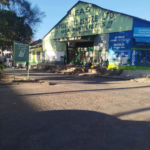
The Kalamba plant in Kilili Nzaui can process five tonnes of raw mangoes and produce 3,000 litres of mango concentrate per hour.
The county built the plant to turn raw mangoes into mango puree, ready to drink juice and bottled water. The unit said the plant remains structurally sound and the concession is meant to bring in a private partner to inject working capital, manage operations and raise processing capacity. It did not give the expected size of the capital injection.
The factory opened in 2017 to cut post harvest mango waste, which has reached 40%, and to protect farmers from exploitation by middlemen.
Its construction and first expansion were financed by county funds and a KES 110 million ($847,000) grant from the European Union.
The plant has since faced processing hitches and a shortage of cold storage, making it hard to keep larger volumes of fruit for longer and to curb losses.
The factory can take only 8% of the county’s mangoes each year, leaving farmers exposed because the fruit spoils quickly.
County data show more than 70,000 households in Makueni rely on mango farming for income. The crop accounts for 75% of the county’s fruit output, at 199,626 tonnes valued at KES 4.28 billion ($33 million).
The county funds the factory directly, but budget constraints have made it hard to raise capacity and buy more fruit from farmers at competitive prices.
Fresh capital from investors could allow the plant to buy larger volumes of mangoes, easing pressure on farmers who have had to watch fruit rot on farms or in trucks.
Farmers suffered losses this year after the factory reached full capacity and turned away tonnes of fruit.
Kenya produces more than 700,000 tonnes of mangoes a year, according to the Kenya National Bureau of Statistics. Output reached 776,834.1 tonnes worth KES 15.99 billion ($123 million) in 2024.
A large share of the fruit still rots on farms, or farmers accept low prices because they cannot reach global markets that pay premium rates.