









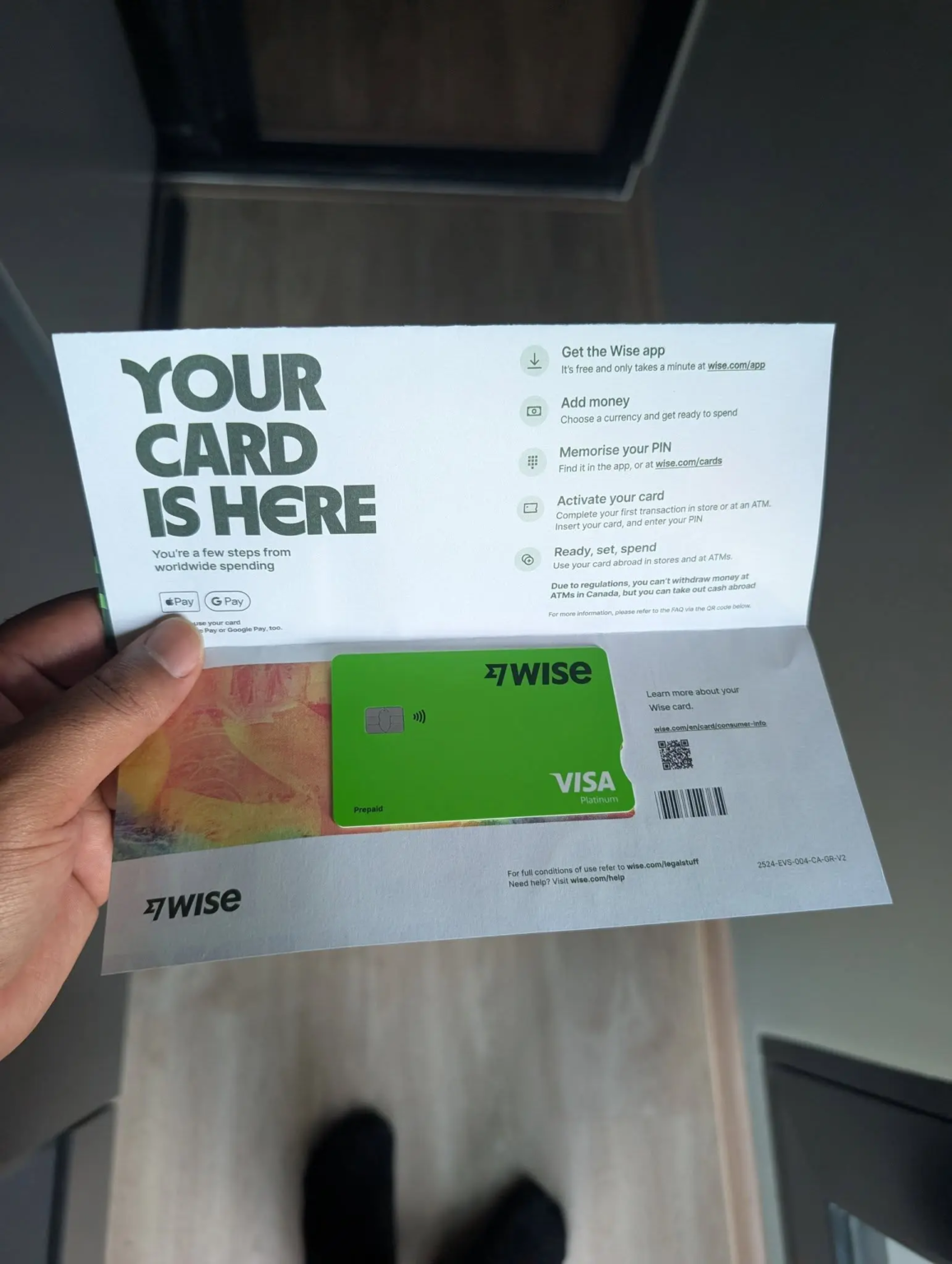
(NAIROBI, KENYA) – Global cross-border payment platforms are cutting off cash transfer services to Kenya amid increased anti-money laundering scrutiny, with US firm Sendwave and UK-based Wise becoming the latest to restrict Kenyan users.
Sendwave stopped wallet services in Kenya from August, citing technical difficulties. Wise has restricted some Kenyan accounts from July ahead of planned closures in October. The moves follow similar decisions by Hurupay in July and account freezes by PayPal and Chipper Cash.
Kenya is on the Financial Action Task Force (FATF) grey list of countries at high risk of money laundering and terrorist financing. The listing, made in February 2024, has forced global payment firms to spend heavily on tracking transfers and compliance, leading some to exit rather than risk violations and penalties.
Sendwave told a Kenyan user in an email that technical difficulties had made it unable to offer wallet services in Kenya. The firm apologised for the inconvenience and advised users to withdraw cash balances held in virtual wallets. Sendwave said it was unsure how long it would take to fix the problem.
The company allows customers to create multi-currency digital wallets through a mobile app for cross-border cash transfers. It did not respond to queries from Business Daily. Its website still lists Kenya among the African countries it serves.
Last month, Sendwave was cited in a Kenyan court as one of the platforms used to wire cash from the US in a KES300 million ($2.3 million / £1.8 million) money laundering case involving local bank accounts and cryptocurrency networks. Detectives said they had requested international transaction data from the US government to trace the origins of the money.
Wise allows Kenyans to receive money from holders of US dollar, Euro and British Pound accounts abroad directly into local shilling bank accounts and M-Pesa mobile wallets. The firm told one user that the account had been restricted and would close on 3rd October, adding that the user could no longer send or receive money or use the card. Wise did not disclose the reasons for the suspension.
In July, Hurupay stopped processing cross-border money transfers and cryptocurrencies in Kenya. The firm provides individuals and businesses with virtual US dollar, euro and sterling bank accounts used to receive payments, send money globally or convert funds into cryptocurrencies such as stablecoins. It did not disclose the reasons for the decision and dropped Kenya and Nigeria from the list of African countries it serves.
Hurupay told a Kenyan user that it no longer supports USD banking services for customers in Kenya, and that any payments sent to the account would be rejected and automatically refunded to the sender.
The move came weeks after PayPal froze an unknown number of local accounts and stopped them from transferring or withdrawing cash for failing to prove employment and residence. Since July, some Kenyans have also reported failed cash transfers on US-based money transfer and virtual cards issuer Chipper Cash.
Digital cross-border payment platforms are popular in Kenya among freelancers, consultants and businesses because they allow users to receive payments from overseas clients and transfer funds to local bank accounts or M-Pesa wallets. Families with members abroad also use them to receive money from overseas.
These users prefer internet-based money transfer platforms over traditional bank transfers because they offer multi-currency accounts that bypass interbank networks such as SWIFT, which can be slow and carry high intermediary bank fees. Kenyans who shop online and do not want to share credit card or bank details also opt for platforms like PayPal.
Platforms that support cryptocurrencies, such as Hurupay, are also attractive for Kenyans making or receiving payments in stablecoins, a type of cryptocurrency backed by assets such as the US dollar. Crypto and digital payments have been exploited for criminal activities due to features such as pseudonymity and borderless transfers, which make them harder for traditional financial institutions and law enforcement agencies to detect.
The Paris-based FATF added Kenya to its list of countries under special scrutiny in February 2024 due to loopholes in countering money laundering and terrorism financing. When a country is grey-listed, its banks face tighter due diligence from foreign lenders, some international transactions are delayed, and investors flag compliance risk in country assessments.
The world’s largest crypto exchange, Binance, has also frozen an undisclosed number of local user accounts. The UAE-based firm has barred the users from converting their crypto holdings into cash following an order from the Kenyan government. Binance also faces global scrutiny over accusations of money laundering and aiding US-designated terrorist organisations, including Hamas and Hezbollah, to move money.
Globally, Wise is currently under investigation in Europe over allegations that it failed to adequately identify customers and verify their activities amid suspicions that criminals used the platform for money laundering.