

(NAIROBI, KENYA) – Kenya and Tanzania have restarted efforts to connect their standard gauge railway lines to Uganda, Rwanda and Burundi. Both countries are looking for new ways to pay for the rail projects because public funds are limited.
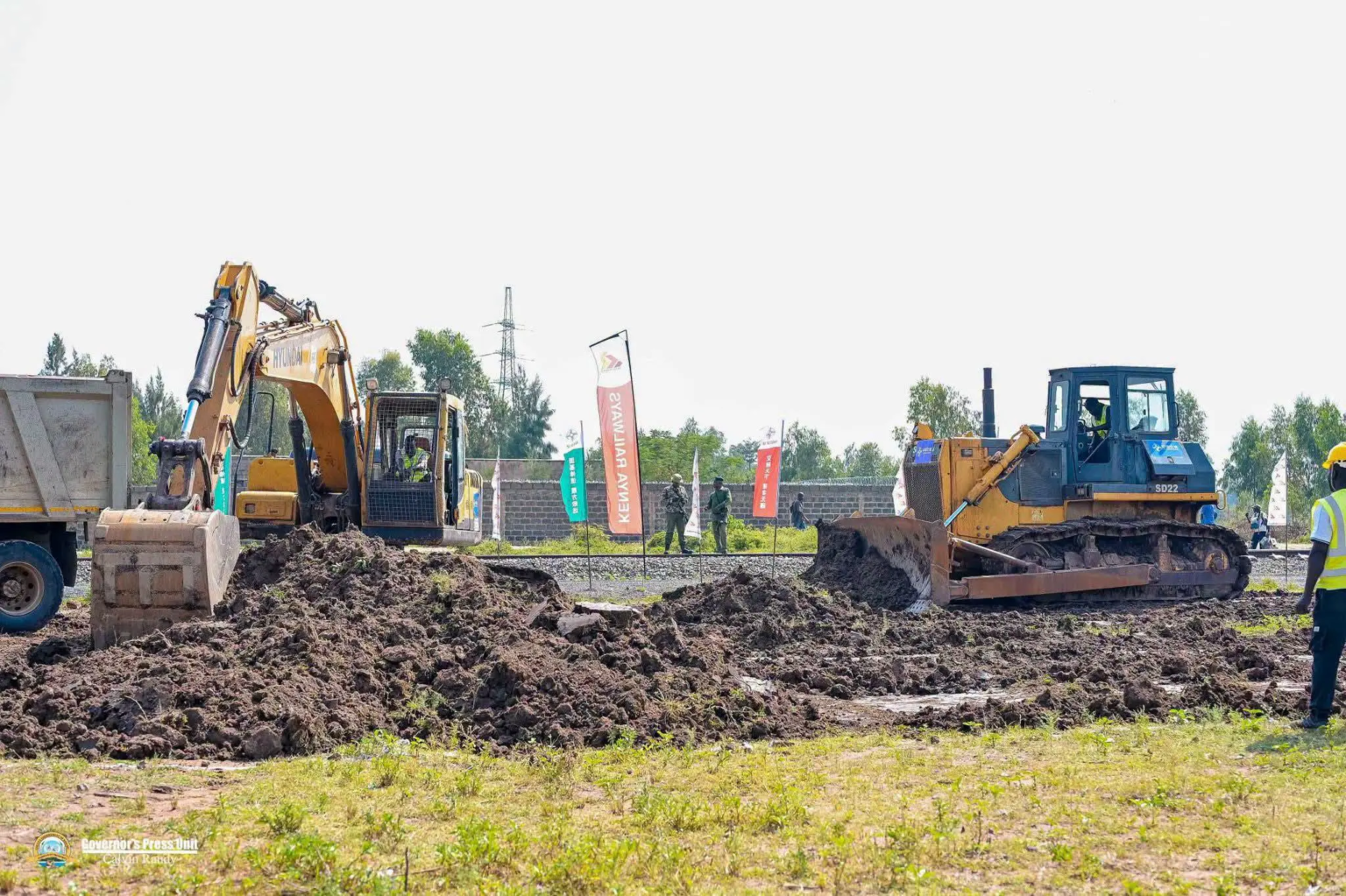
Kenya began work last month on the section of railway from Naivasha to Kisumu and Malaba. The project had been stopped for six years. The line will reach the border with Uganda. Tanzania started extending its railway from Dodoma to Kigoma at the end of July. Kigoma sits on the shore of Lake Tanganyika.
Tanzania also plans to build two more lines. One would run from the port of Tanga to Musoma on Lake Victoria. This line would bring the railway close to Rwanda, Burundi and Uganda. Tanzania has not said when the Tanga to Musoma line will be built. Kenya expects to finish its section to Malaba by June 2027.
Uganda must build its own railway sections to join the Kenyan and Tanzanian lines. The country has chosen to focus on the link to Malaba first. Khamis Mussa, the Tanzanian Minister of Finance, said the Tanga to Musoma line would help Uganda and Rwanda if it is built. He spoke to this publication last week.
Tanzania is also planning a second line from Mtwara to Mbamba Bay. This would connect the country to Malawi and Zambia. Both Kenya and Tanzania know the projects will cost a lot of money at a time when government finances are tight. The two countries are carrying most of the burden because they must build the longest sections of rail. Neighbouring countries such as Rwanda, Uganda and the Democratic Republic of Congo have much shorter sections to build.
Mussa said the main investment must come from Tanzania and Kenya. He said the two countries must watch the effect on debt levels and debt payments. He added that Tanzania must build more than 2,000 kilometres of railway while Rwanda or Burundi would only build a few kilometres each.
Kenya has chosen a new way to pay for its railway extension. The country will use money collected from the railway development levy and turn it into bonds that investors can buy. This is called securitisation. The money raised will pay for the railway. Kenya used loans from China to pay for the Mombasa to Nairobi and Naivasha section.
Work on the Naivasha extension has not started yet. The Kenya Railways Corporation said land must be bought first. Kenya plans to use up to 90 percent of railway development levy collections to back the bonds. The government wants to raise up to KES 390 billion. This is equal to about 2.4 billion US dollars or 1.9 billion British pounds. Kenya has been using securitisation and public private partnerships to pay for new projects because it has less room to borrow.
Tanzania has used a mix of foreign loans and domestic revenue to pay for its railway. The country has more room to borrow than Kenya. Tanzania is now pushing harder for public private partnerships to build infrastructure while limiting debt risks. Last week Tanzania signed three agreements with Africa50. Africa50 is a pan African infrastructure investor owned by the African Development Bank and several governments. One agreement with the Tanzania Electric Supply Company Limited opens the way for private money in electricity transmission projects. This includes high voltage power lines.
Mussa said public private partnerships are an area Tanzania has not fully used. He said the model has great potential for rail and energy projects. He said private companies are interested but need assurances such as payment and price guarantees.
Uganda is expected to be the first user of the extended Kenyan railway. The country is close to securing funds for a 272 kilometre railway from Malaba to Kampala. Uganda has sought KES 62 billion from a Shariah compliant Sukuk bond. This is about 382 million US dollars or 300 million British pounds. The Malaba to Kampala line is one of four planned corridors in Uganda. Another is a southern line running 280 kilometres from Bihanga to Mirama Hills at the Rwandan border. This line would eventually connect Uganda to the Tanzanian railway.
When the Kenyan and Tanzanian railway projects are finished and linked to neighbouring countries, importers will have more than one route to the Indian Ocean. The ports of Mombasa and Dar es Salaam will compete on efficiency. Mombasa is expected to remain the main port because it can handle more cargo than Dar es Salaam. The Tanzanian port of Tanga mainly handles petroleum products.
David Nashon is a regional consultant in the transport sector. He said there is no real competition because Dar es Salaam cannot handle all the cargo for countries like Uganda and the Democratic Republic of Congo. He said Mombasa has double the capacity of Dar es Salaam. He expects Dar es Salaam to handle mostly spillover cargo. Nashon said all the projects will create regional connections and give importers a choice between the port in Dar es Salaam or Mombasa.