



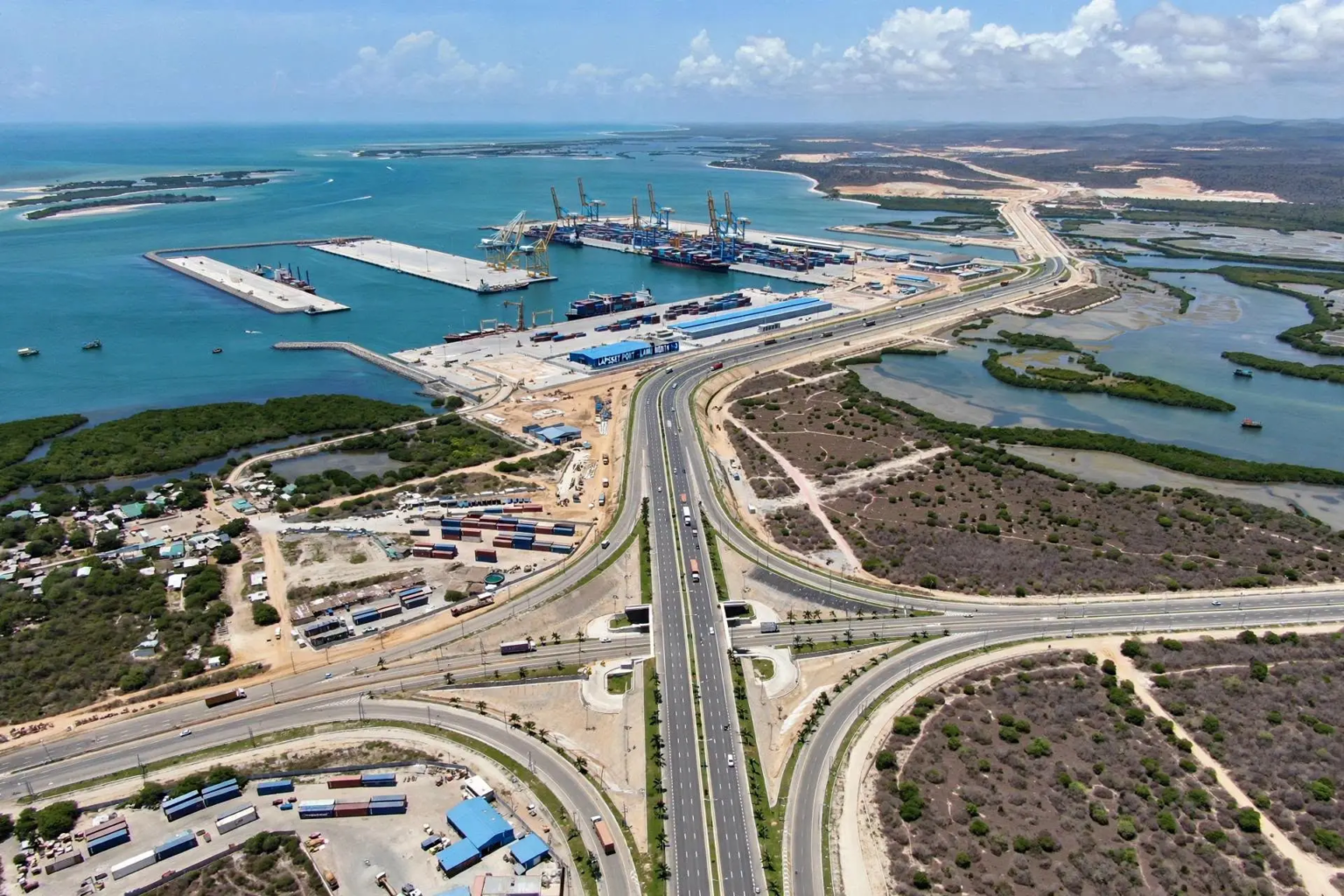
(DAR ES SALAAM, TANZANIA) – Nigerian billionaire Aliko Dangote chose Kenya over Tanzania for a planned refinery in Lamu, a decision that has not pleased Tanzanian officials. The choice comes as Kenya and Tanzania compete to become the main logistics hub for East Africa, supported by projects such as the standard gauge railway.
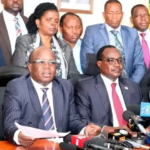
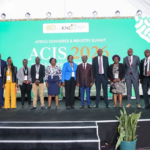
Khamis Mussa, the Tanzanian Minister of Finance, spoke out to media on the sidelines of the Africa50 Infrastructure meeting. He discussed the Dangote decision, the railway race and the pursuit of Uganda.
Mussa said Dangote is a key investor who has placed all his projects within Africa. Dangote already has investments in Tanzania including a cement plant. More projects are planned including a possible port investment and a fertiliser plant. Mussa said the final decision on where a refinery sits is guided by economic reasons. The proposed refinery was initially expected in Tanga before it moved to Lamu. The Lamu refinery is estimated to cost KES 2 trillion, equal to about 12.3 billion US dollars or 9.7 billion British pounds.
Mussa said all countries must keep investing in infrastructure to close the large deficit. Coastal countries have a duty to link projects with the hinterland. Tanzania’s main neighbours are Rwanda, Uganda and the Democratic Republic of Congo. Zambia is also a traditional partner through the Tazara railway built in the early 1970s.
Tanzania is building a new railway line to the western side of the country. One branch goes to Mwanza, which would connect to Rwanda and Uganda. Another goes to Kigoma, which would connect to Burundi and possibly the Democratic Republic of Congo. Tanzania is also considering two more lines. The first would run from Tanga port to Musoma. This would benefit Rwanda and Uganda. The second would run from Mtwara to Mbamba Bay, connecting to Malawi and parts of Zambia.
Mussa said he recently met the Kenyan ambassador to Tanzania to discuss interconnectivity in the region. The goal is to turn transport corridors into economic corridors. This means mapping key sectors such as mining, agro processing, logistics and tourism along the routes so the investment can be recovered quickly.
The economic impact from these projects has not yet reached the scale that is possible. Tanzania is working with the World Bank to map the projects and realise the potential. This covers the standard gauge railway and the Tazara corridor. The private sector must also be brought in because the government cannot do everything alone.
Mussa said Tanzania must build more than 2,000 kilometres of rail while Burundi would perhaps build 200 kilometres on its side. Most of the projects will be debt financed. The country must watch debt levels and debt payments.
On energy, Mussa said Tanzania should not be complacent. The aim is to double generation capacity from 4,000 megawatts to 8,000 megawatts between now and 2030. Tanzania will remain part of the regional power pool. There is a line from Ethiopia through Kenya. Tanzania also needs to take power to Uganda, which also takes power to Kenya. A line to Zambia is also planned. Discussions on nuclear energy in the region are underway and Tanzania hopes to play a part.
On funding, Mussa said public private partnerships have huge potential but Tanzania has not fully benefited. Private investors have concerns but there is also demand for the projects. Price and payment guarantees from the government may be needed so the private sector can come in. Public private partnerships are a good option compared to debt.