
(LAGOS, Nigeria) – South African commercial interests in Nigeria worth an estimated N20.43 trillion face growing uncertainty as calls for economic retaliation mount over renewed xenophobic attacks on Nigerians living in South Africa.
The valuation, drawn from publicly available market capitalisation figures, asset disclosures and property portfolio estimates, covers South African linked businesses across telecommunications, banking, insurance, retail, hospitality, logistics, aviation, manufacturing and commercial real estate. N20.43 trillion equates to roughly $13.4 billion or £10.5 billion at current rates.
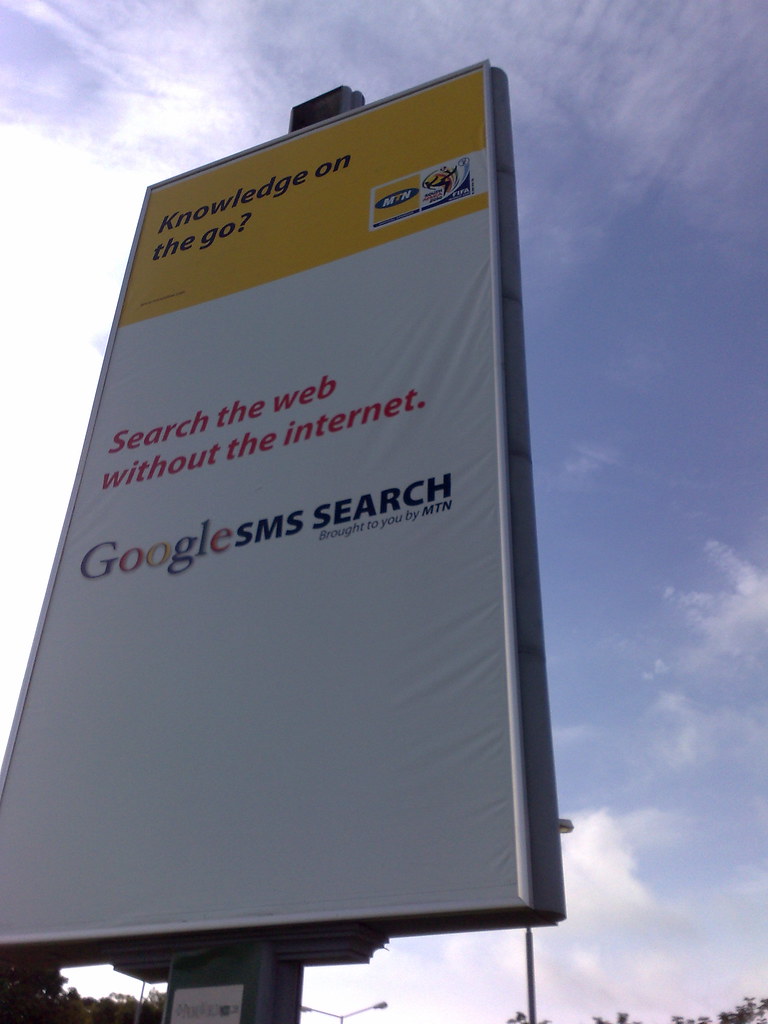
Only two firms with direct South African parentage trade on the Nigerian Exchange. MTN Nigeria Communications Plc accounts for the bulk of the value, with a market capitalisation of about N17.27 trillion ($11.3 billion or £8.9 billion). Stanbic IBTC Holdings Plc follows at roughly N2.59 trillion ($1.7 billion or £1.3 billion).
Rand Merchant Bank Nigeria holds assets of approximately N450 billion ($295 million or £231 million). Protea Hotels by Marriott controls a Nigerian property portfolio estimated at more than N120 billion ($78.7 million or £61.7 million).
Other South African linked businesses identified in Nigeria include Sanlam Nigeria, Alexander Forbes, Broll Property Group Nigeria, Metrofile Nigeria, Wings Travel Nigeria, South African Airways, PEP Stores, Mr Price, Pick n Pay, Nampak Nigeria, Sasol and Eskom. Several of these firms were not assigned values where reliable public data was unavailable. Some entities once described as South African companies have changed ownership and now belong to multinational groups based elsewhere.
Pressure for economic countermeasures has grown following a string of killings, business lootings and displacements affecting Nigerians in South Africa. At least five Nigerians have been killed since the latest wave of attacks began this year. Amaramiro Emmanuel and Ekpenyong Andrew died in separate incidents on 19 April and 20 April 2026. Attacks have been reported in Johannesburg, Pretoria and Durban.
Nigeria summoned South Africa’s envoy, set up crisis response teams through its missions and evacuated 1,490 Nigerians in five phases. Foreign Affairs Minister Ambassador Bianca Odumegwu Ojukwu said repeatedly that Nigeria could not stay silent while its citizens faced harassment, intimidation and attacks. She asked why South African businesses continued to operate freely in Nigeria while Nigerians in South Africa encountered recurring hostility.
Senator Adams Oshiomhole argued in the Senate that if compensation was denied to Nigerian victims, the government should consider using profits made by South African companies in Nigeria to support affected citizens. That proposal has not become official policy.
The National Association of Nigerian Students threatened protests against major South African linked businesses, including MTN and MultiChoice, saying economic interests should not remain shielded from persistent attacks on Nigerians abroad.
Diplomatic tensions sharpened after President Bola Tinubu declined to receive a visiting South African delegation led by Minister of International Relations and Cooperation Ronald Lamola. The President directed that talks be held with the Minister of State for Foreign Affairs instead.