



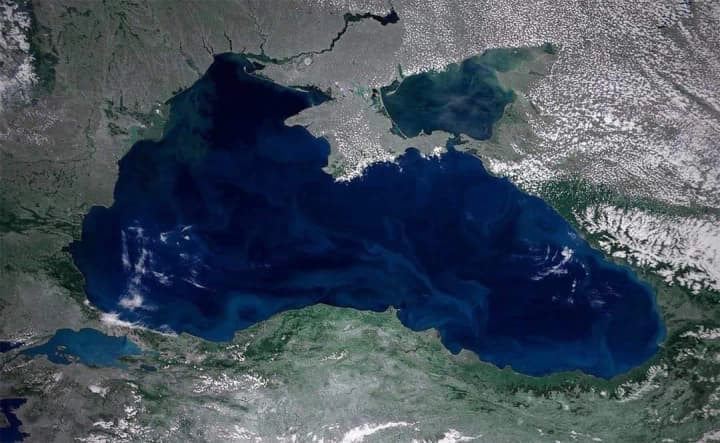
(KYIV, UKRAINE) – Ukraine halted a campaign of drone strikes against oil tankers using a major Black Sea port after a direct request from US Vice President J.D. Vance, who warned that the attacks risked destabilising global oil markets and harming American energy companies.
The request was made during a telephone call between Vance and Ukrainian President Volodymyr Zelenskyy on 31 July, Ukrainian officials and other sources familiar with the matter told the Financial Times. Since that date, Ukraine has not struck tankers near the Caspian Pipeline Consortium terminal at the Russian port of Novorossiysk, according to officials and an analysis of open source information conducted by the newspaper.
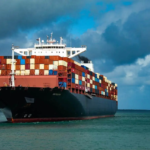
Washington voiced concern that continued strikes on vessels carrying Kazakh oil through the CPC terminal would further unsettle crude markets and damage the interests of US energy majors Chevron and ExxonMobil. Both companies hold stakes in the CPC, which serves as Kazakhstan’s main oil export route, as well as in the western Kazakh oilfields that feed it. Chevron owns 50 percent of Tengiz, the country’s largest oilfield, while Exxon holds 25 percent.
Ukrainian officials said Kyiv agreed not to attack CPC infrastructure or non Russian vessels, provided those vessels are not under Ukrainian sanctions and are not carrying Russian oil or other Russian cargoes. “We listen very carefully to our American partners,” a senior Ukrainian official said, adding that Kyiv had put in place the relevant “mechanisms” in response to the US request. The source said the CPC was a “regular part of discussions with the governments of the United States and Kazakhstan.”
A US official confirmed that the administration had warned Ukraine to stop attacks on non Russian vessels in the Black Sea and on CPC infrastructure. “The administration views the CPC as a vital channel for supplying energy of Kazakh origin to European markets, serving as an alternative to Russian energy supplies,” the official said. The United States had “confirmed” Kyiv’s commitment to refrain from strikes, provided the targets were not subject to Ukrainian sanctions, the official added.
A person familiar with Ukraine’s position said Kyiv agreed to the Trump administration’s request partly because it is seeking a US licence to produce Patriot interceptor missiles. Ukraine also hopes to purchase several hundred of the systems by winter, when Russia is expected to intensify its air attacks on critical infrastructure.
The agreement, first reported by Bloomberg on 8 August, followed talks between representatives of US President Donald Trump’s administration and Ukrainian leaders. Under the arrangement, Ukraine undertook not to attack CPC infrastructure or non Russian vessels heading to the terminal if they are not under Ukrainian sanctions and are not carrying Russian cargo. The vessels must also not be owned by Russian individuals or legal entities. Ukraine is providing vessel operators with instructions to help them determine which ships are not at risk.
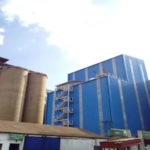
The CPC terminal at Novorossiysk is critically important for Kazakhstan’s oil exports. Around 2 percent of global oil supplies pass through the CPC system, and European refiners depend heavily on supplies from the region. Attacks near the port have already caused repeated suspensions of oil loading. Even after operations resumed, volumes remained below normal. Sources familiar with the matter estimated that exports of CPC Blend crude could fall by roughly one third in the current month, though the figure was not final as some July cargoes were postponed to August.
Shipping costs on the route have surged. According to the Baltic Exchange, daily earnings for tankers moving CPC oil to the Mediterranean reached more than $400,000, a record for this route.
Despite the agreement, Bloomberg noted that previous deals to protect commercial shipping had not always prevented strikes. Some vessels whose details had been supplied to Ukraine in advance as non targets were nevertheless attacked.
Ukraine’s Unmanned Systems Forces Commander Robert Brovdi, known by the call sign “Madyar”, confirmed on 8 August that his units had engaged a further 12 targets in the Black and Azov Seas between 1 and 8 August as part of Operation “MoLoChKa”, which targets Russia’s shadow fleet used to export oil in defiance of sanctions. Between 6 July and 8 August, the operation hit 218 watercraft, including 134 in the Azov Sea and 84 in the Black Sea. “Operation ‘MoLoChKa’ will continue even after the promised 221,” Brovdi wrote on social media.
Vance’s office, Zelenskyy’s office and Kazakhstan’s Ministry of Foreign Affairs did not immediately respond to requests for comment. The CPC, Chevron and Exxon declined to comment.
CPC Oil Export Route, Key Facts
| Metric | Detail |
|---|---|
| CPC Terminal Location | Novorossiysk, Russia (Black Sea) |
| Global Oil Supply Share | ~2% via CPC system |
| Major Stakeholders | Chevron (50% of Tengiz field), ExxonMobil (25% of Tengiz) |
| CPC Blend Export Disruption | Estimated one third fall in current month |
| Tanker Earnings Record | >$400,000/day (CPC to Mediterranean route) |
| Vance-Zelenskyy Call Date | 31 July 2026 |
| Operation MoLoChKa (6 July–8 Aug) | 218 vessels hit (134 Azov Sea, 84 Black Sea) |
| Additional Targets (1–8 Aug) | 12 vessels engaged |